Frequently Asked Questions
How to use a piston ring compressor?
Using a piston ring compressor involves compressing the piston rings on an engine to allow the piston to be installed into the cylinder bore. This tool helps ensure proper installation and sealing of the piston rings.
What are the thin metal pieces on top of the piston in an air compressor?
The thin metal pieces on top of the piston in an air compressor are called piston rings. These rings create a tight seal between the piston and the cylinder walls, which helps to maintain high air pressure within the compressor.
How to install piston rings properly?
Installing piston rings properly involves thorough cleaning, careful ring positioning, and precise installation techniques to ensure proper seal and function.
What is a piston compressors function?
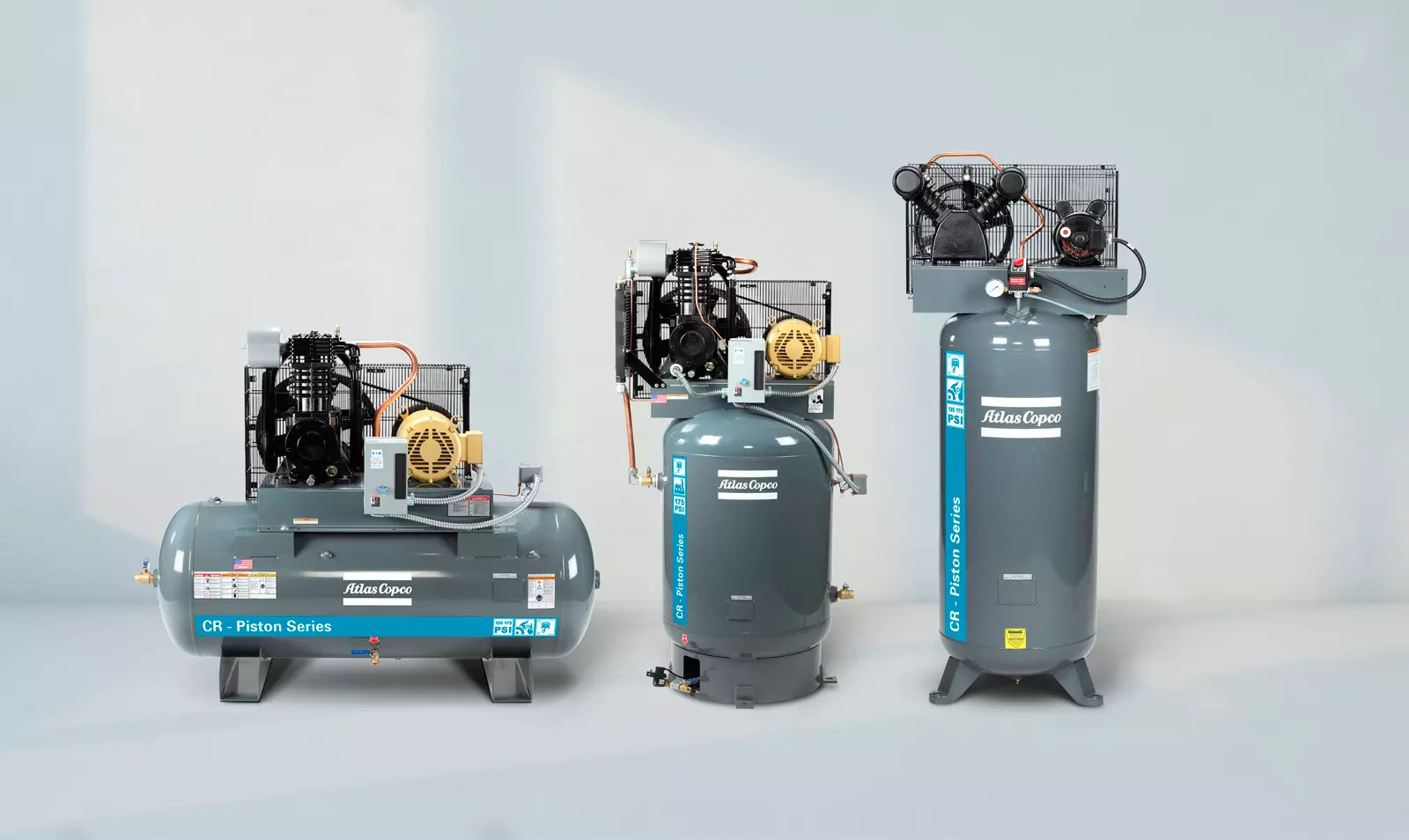
A piston compressor functions by using a piston to draw in air and then compress it, increasing the air pressure for various industrial and commercial applications.
How to maintain a piston compressor?
Maintaining a piston compressor involves regular cleaning, inspection, and replacement of parts such as filters, seals, and valves to ensure optimal performance and extended service life.
What causes piston compressor failure?
Piston compressor failure can be caused by a variety of factors, including inadequate lubrication, excessive wear and tear, overheating, and improper maintenance or operation.
How to troubleshoot piston compressor issues?
Troubleshooting piston compressor issues involves identifying common problems such as air leaks, worn parts, or improper lubrication, and taking appropriate corrective actions to restore the compressor's efficient operation.
Can piston compressors overheat and why?
Piston compressors can overheat due to factors such as excessive compression ratio, poor lubrication, or restricted airflow, which can lead to increased friction, wear, and failure if not addressed.
How to select the right ring compressor?
Selecting the right ring compressor involves considering factors such as application requirements, performance specifications, and maintenance needs to ensure optimal performance and efficiency for your specific needs.
What lubricant is best for piston compressors?
The best lubricant for piston compressors is a high-quality, non-detergent oil designed specifically for air compressor applications, as it ensures optimal performance and extended service life of the compressor.
How to check piston compressor efficiency?
Checking piston compressor efficiency involves measuring the input power, output flow rate, and discharge pressure to calculate the overall efficiency. This helps optimize performance and identify potential areas for improvement.
What are common piston compressor problems?
Common piston compressor problems include air leaks, wear and tear on components, lack of lubrication, overheating, and improper installation or maintenance.
How to repair a damaged piston compressor?
Repairing a damaged piston compressor typically involves replacing worn or faulty components such as the piston, cylinder, crankshaft, or valves. This may require disassembling the compressor, inspecting the parts, and installing new replacement components to restore proper operation.
How often should piston compressors be serviced?
Piston compressors should be serviced regularly, typically every 2,000 to 4,000 hours of operation or annually, whichever comes first, to maintain optimal performance and extend the service life of the equipment.
What safety precautions are needed for compressors?
Safety precautions for compressors include proper installation, regular maintenance, use of personal protective equipment, and compliance with industry standards to prevent potential hazards such as explosions, leaks, and injuries.
How to replace a piston compressors rings?
Replacing the piston compressor's rings involves disassembling the compressor, removing the old rings, cleaning the piston and cylinder, and installing new rings according to the manufacturer's instructions.
Can piston compressors be used continuously?
Piston compressors can be used continuously, as they are designed to operate for extended periods without needing frequent downtime for maintenance. These compressors offer reliable and consistent performance even in demanding applications.
How to properly store piston compressors?
Properly storing piston compressors involves keeping them in a dry, clean environment, ensuring all lines and fittings are disconnected, and protecting the compressor from dust, debris, and moisture to maintain its performance and lifespan.
What is the lifespan of a piston compressor?
The lifespan of a piston compressor can vary, but with proper maintenance and care, they can typically last 10 to 15 years or more, depending on their usage and operating conditions.
How to improve piston compressor performance?
Improving piston compressor performance can be achieved by regular maintenance, upgrading to energy-efficient models, and optimizing operating conditions such as inlet air temperature and pressure.

Reviews
There are no reviews yet.