Frequently Asked Questions
Can portable compressed air be used for medical equipment?
Portable compressed air can be used for certain medical equipment, such as respiratory devices, when the equipment is designed and certified for use with portable air compressors.
How much does a portable diesel compressor typically weigh?
The weight of a portable diesel compressor typically ranges from approximately 500 to 2,500 pounds, depending on the size and capacity of the unit.
Are towable air compressors more cost-effective than rentals?
Towable air compressors can be more cost-effective than rentals, as they provide long-term usage and eliminate ongoing rental fees, making them a viable investment for projects requiring consistent air supply.
How much air flow can a towable air compressor provide?
Towable air compressors are designed to provide ample air flow, with models offering capacities ranging from 96 cubic feet per minute (CFM) up to 185 CFM to meet the demands of various applications.
Do towable air compressors require special licenses to operate?
The operation of towable air compressors generally does not require special licenses, as they are designed for ease of use and transport. However, local regulations may have specific requirements, so it's important to check with the appropriate authorities.
Are portable diesel compressors suitable for indoor use?
Portable diesel compressors are not recommended for indoor use due to the exhaust emissions and potential fire hazards. These compressors are designed for outdoor applications where adequate ventilation and safety measures can be maintained.
How do you maintain a portable compressed air system?
Maintaining a portable compressed air system involves regular inspection, cleaning, and servicing to ensure optimal performance and longevity. This includes checking for air leaks, replacing air filters, and lubricating moving parts as per the manufacturer's recommendations.
Can towable air compressors be used for heavy construction?
Towable air compressors can indeed be used for heavy construction applications. These compressors are designed to withstand harsh conditions and provide the necessary power and reliability for demanding construction tasks.
What is the typical weight of a towable air compressor?
The typical weight of a towable air compressor can range from approximately 1,000 to 3,000 pounds, depending on the size and capacity of the unit.
Are portable compressed air tanks approved for industrial use?
Portable compressed air tanks are approved for industrial use, as they are designed to meet safety standards and withstand the demands of industrial applications.
What are the benefits of using portable compressed air systems?
The benefits of using portable compressed air systems include their durability, versatility, and ease of transport, making them suitable for construction sites, roadworks, and other demanding environments.
What is the average air pressure of portable compressors?
The average air pressure of portable compressors typically ranges from 100 to 175 psi, providing sufficient pressure for powering a variety of pneumatic tools and equipment in construction, maintenance, and other applications.
How does portable compressed air power pneumatic tools?
Portable compressed air powers pneumatic tools by delivering high-pressure air through hoses to the tools, enabling them to operate efficiently and effectively in various construction, maintenance, and industrial applications.
What are the common applications for towable air compressors?
Towable air compressors are commonly used for powering pneumatic tools, sandblasting, and other construction or roadwork applications that require a portable and versatile air supply.
What is the maximum pressure output of a portable diesel compressor?
The maximum pressure output of a portable diesel compressor can vary, but they typically range from 100 PSI to 175 PSI, depending on the model and specifications. The pressure output is an important factor in determining the appropriate compressor for a specific application.
What are the benefits of using a towable air compressor?
The benefits of using a towable air compressor include durability for harsh conditions, versatility for various applications, and ease of transport for straightforward setup and operation.
How often does a portable diesel compressor require maintenance?
The maintenance frequency for a portable diesel compressor depends on its usage, but typically it requires regular maintenance every 250-500 hours of operation to ensure optimal performance and reliability.
Can towable air compressors be used for powering pneumatic tools?
Towable air compressors are well-suited for powering pneumatic tools. They are designed to provide the necessary air pressure and volume to operate a variety of pneumatic equipment, making them a versatile solution for construction sites, roadworks, and other demanding applications.
What horsepower options are available for towable air compressors?
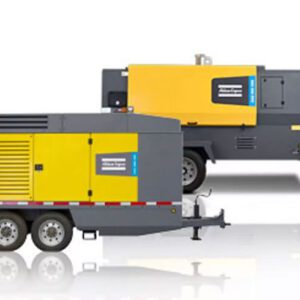
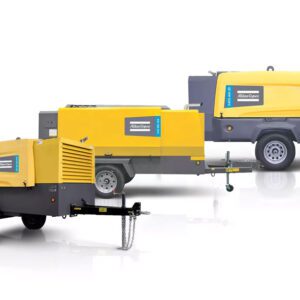
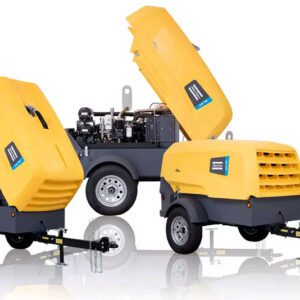
Atlas Copco offers towable air compressors with horsepower options ranging from small vehicle-mounted compressors to large low-pressure portable diesel compressors, providing versatility for various construction and industrial applications.
How much does a portable compressed air system cost?
The cost of a portable compressed air system can vary depending on the size, capacity, and features of the compressor. Typically, small towable air compressors can range from $2,000 to $5,000, while larger diesel-powered portable compressors can cost $10,000 to $20,000 or more.
What is the average power output of a portable diesel compressor?
The average power output of a portable diesel compressor typically ranges from 96 to 185 horsepower, providing sufficient power for various applications such as powering pneumatic tools, sandblasting, and other demanding tasks.
What are the safety precautions for portable compressed air?
The safety precautions for portable compressed air include using appropriate personal protective equipment, ensuring proper ventilation, and following manufacturer's instructions to prevent accidents and ensure safe operation.
Can a portable diesel compressor be used for construction projects?
Yes, portable diesel compressors are well-suited for construction projects. These compressors are designed to withstand harsh job-site conditions and provide reliable air power for powering pneumatic tools, sandblasting, and other construction applications.
Can portable compressed air be used for cleaning purposes?
Portable compressed air can be effectively used for cleaning purposes, such as removing dust, debris, and other contaminants from hard-to-reach areas, equipment, and surfaces.
Can a portable diesel compressor be used for pneumatic tools?
Yes, portable diesel compressors are well-suited for powering pneumatic tools. These compressors are designed to provide reliable and efficient air supply, making them suitable for a variety of construction, roadwork, and other demanding applications requiring pneumatic tools.
What is the maximum capacity of a portable air compressor?
The maximum capacity of a portable air compressor typically ranges from 3 to 20 CFM (cubic feet per minute) of air output, depending on the model and size.
What is the advantage of a diesel-powered compressor over electric?
The advantage of a diesel-powered compressor over electric is its portability and ability to operate in remote or off-grid locations where there may be limited access to reliable electricity.
What is the average runtime of a portable diesel compressor?
The average runtime of a portable diesel compressor typically ranges from 8 to 12 hours on a single tank of fuel, depending on the model and application.
How do towable air compressors compare to portable ones?
Towable air compressors are designed for mobility and heavy-duty applications, offering higher capacity and power compared to portable models, making them suitable for construction sites, roadworks, and other demanding environments requiring more air volume.
How quickly can a portable compressor be set up?
Portable compressors are designed for quick and easy setup, enabling users to have their equipment operational in a matter of minutes, making them suitable for a variety of on-site applications.