How Energy Efficient Industrial Air Compressors Save Money
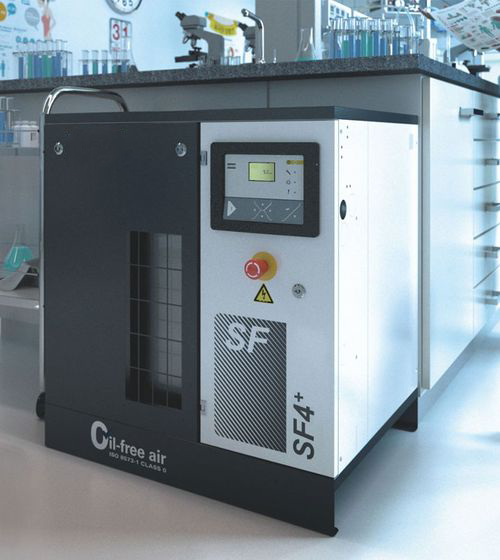
Imagine slashing your facility’s energy expenses by up to half, simply by upgrading your compressed air system. Energy-efficient industrial air compressors deliver immediate cost reductions, bolster operational reliability, and ensure environmental compliance. This guide will walk you through the core advantages of optimized compressors, how variable speed drive technology drives savings, the importance of a focused energy audit, essential strategies for system efficiency, and the tangible impact on your bottom line. As your dedicated partner in industrial air solutions, “CED Compressed Air – Industrial Air Compressors and Air Treatment” empowers commercial and industrial businesses with proven energy optimization strategies. What Are the Key Benefits of Energy-Efficient Industrial Air Compressors? Energy-efficient industrial air compressors integrate sophisticated control systems, advanced motors, and effective leak management to slash power consumption, enhance dependability, and reduce the overall cost of ownership. How Do Energy Savings Reduce Operating Costs? Energy savings are achieved by precisely matching compressor output to your facility’s actual demand, which directly cuts kilowatt-hour usage and lowers utility bills. By minimizing inefficient idle operation and part-load performance, businesses can boost profit margins and accelerate equipment return on investment. These savings clearly demonstrate how efficiency translates into reduced monthly expenses and a faster payback period. Energy Savings and Cost Reduction with Energy-Efficient Compressed Air Systems Energy-efficient systems consume less power, leading to lower operational expenses and potential savings through available local energy incentives. Implementing energy-saving practices, such as diligently addressing air leaks and fine-tuning pressure settings, can result in substantial cost reductions and extend equipment lifespan. Why Is Lower Energy Consumption Important for Industrial Compressors? Reduced energy consumption minimizes heat generation and mechanical wear, leading to extended service intervals and fewer unexpected operational interruptions. When compressors operate only as needed, maintenance costs decrease, and uptime significantly improves. Ensuring minimal energy wastage is fundamental to achieving peak reliability and consistent pressure delivery in critical industrial processes. What Are the Environmental Advantages of Energy-Efficient Compressors? High-efficiency compressors significantly reduce your carbon footprint by lowering greenhouse gas emissions associated with electricity generation. Decreased energy demand supports corporate sustainability objectives and can qualify your facility for green energy incentives. Adopting cleaner operational practices aligns with current regulatory standards and paves the way for adopting advanced control solutions like variable speed drives. How Do Variable Speed Drive Air Compressors Improve Energy Efficiency? Variable speed drive (VSD) compressors dynamically adjust motor speed to precisely match real-time compressed air demand, effectively eliminating energy waste and stabilizing pressure fluctuations. Benefits of Variable Speed Drive Air Compressors Variable speed drive (VSD) compressors dynamically adjust motor speed to precisely match real-time compressed air demand, effectively eliminating energy waste and stabilizing pressure fluctuations, potentially yielding energy savings of up to 50%. These compressors are particularly advantageous in facilities experiencing variable air demand, offering reduced power costs and avoiding high peak currents during startup. What Is a Variable Speed Drive and How Does It Work? A variable speed drive utilizes an inverter to precisely control motor frequency, synchronizing rotor speed with the instantaneous air requirements of your system. This technology effectively curbs energy waste during periods of low demand, boosting overall efficiency by as much as 50%. Integrating VSD technology therefore enhances performance and significantly lowers electricity expenses. How Does Variable Speed Control Save Energy Compared to Fixed Speed? The following table illustrates the differences between fixed-speed compressors, which operate at maximum capacity regardless of demand, and VSD units that dynamically adjust their output. Operational Mode Energy Use Savings Potential Fixed Speed Consistently draws full-load power Limited reduction when operating at part-load Variable Speed Drive Power consumption is proportional to actual demand Potential energy savings up to 50% Variable speed control minimizes energy losses associated with frequent on/off cycling and provides more stable pressure regulation, resulting in a more consistent air supply that reduces wear and tear on downstream equipment. When Should You Consider Upgrading to a Variable Speed Drive Compressor? An upgrade is highly recommended when your plant experiences frequent load variations exceeding 20%, when energy costs constitute more than half of your compressed air expenses, or when continuous operation leads to significant part-load hours. In such scenarios, the payback period typically falls within two years, driving sustained profitability through reduced utility bills and lower maintenance costs. How Can an Air Compressor Energy Audit Identify Cost Savings? An air compressor energy audit is a thorough assessment designed to pinpoint operational inefficiencies, quantify energy losses, and recommend specific, targeted improvements. The Role of Air Compressor Energy Audits in Identifying Cost Savings An air compressor energy audit is a thorough assessment designed to pinpoint operational inefficiencies, quantify energy losses, and recommend specific, targeted improvements. These audits encompass a comprehensive system survey, precise pressure and flow measurements, detailed leak mapping, and a thorough cost analysis of wasted energy, culminating in data-driven action plans for enhancement. What Does an Energy Audit Include for Compressed Air Systems? An audit involves a complete system evaluation, detailed pressure and flow monitoring, comprehensive leak detection, an assessment of control strategies, and a precise cost analysis of energy wastage. This holistic approach effectively identifies both significant and minor sources of inefficiency, paving the way for a data-backed improvement strategy. How Are Energy Losses Detected During an Audit? Auditors utilize advanced tools such as ultrasonic leak detectors, data loggers for pressure and flow, and thermal imaging cameras to accurately locate air leaks, identify suboptimal pressure settings, and detect heat losses. These instruments enable precise measurement of energy waste, guiding the prioritization of necessary repairs or system upgrades. What Are Common Recommendations from Energy Audits? Typical recommendations from energy audits include repairing air leaks, installing variable speed drive controls, implementing effective condensate drainage and filtration, and optimizing system pressure settings. Executing these actions collectively reduces wasted energy, lowers maintenance requirements, and enhances overall operational consistency. What Are the Best Practices for Optimizing Compressed Air Systems? Optimizing your compressed air network involves a commitment to proactive maintenance, intelligent system design, and targeted leak detection to ensure peak operational efficiency and minimize energy waste. Best Practices for Optimizing Compressed
Why Regular Air Compressor Services Benefit Your Business

Maximize your productivity with regular air compressor services. Reduce downtime and extend equipment life with expert maintenance tailored for your needs.
Choose the Ideal Air Compressor for Optimal Industrial Use
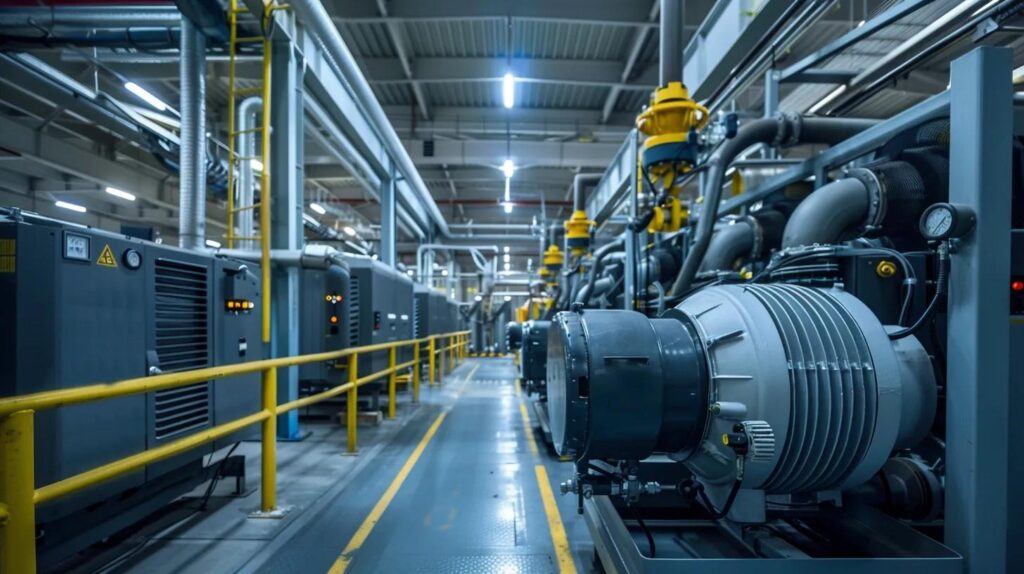
Need an industrial air compressor? Find the perfect match for your requirements and budget, ensuring efficiency and performance for your projects in Ontario.
Discover Benefits of Energy Efficient Air Compressor Parts
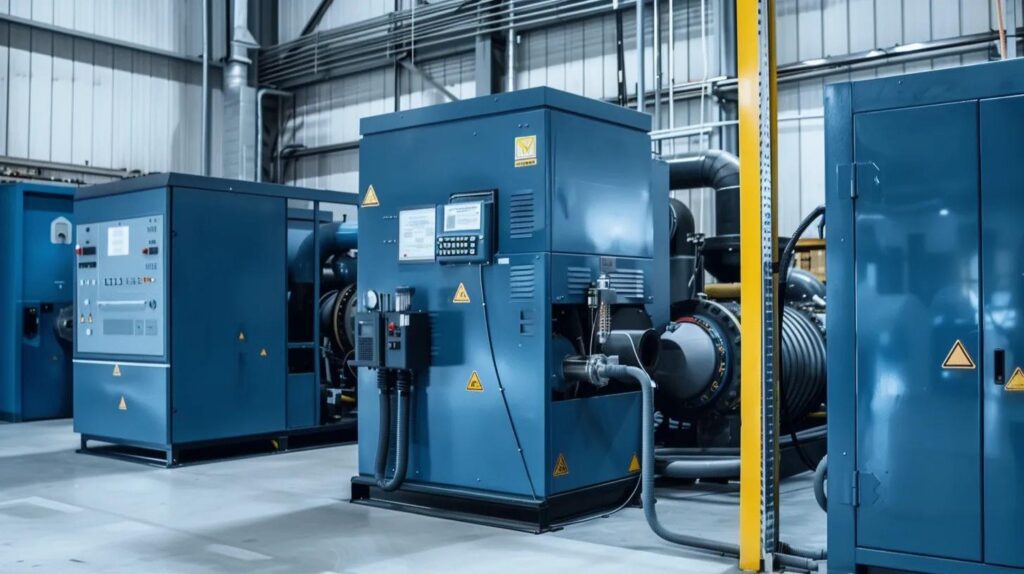
Maximize your efficiency with energy-efficient air compressor parts. Explore the benefits of Atlas Copco components and oils for optimal performance.
Rotary Screw vs Piston Air Compressors: What’s Best for You?
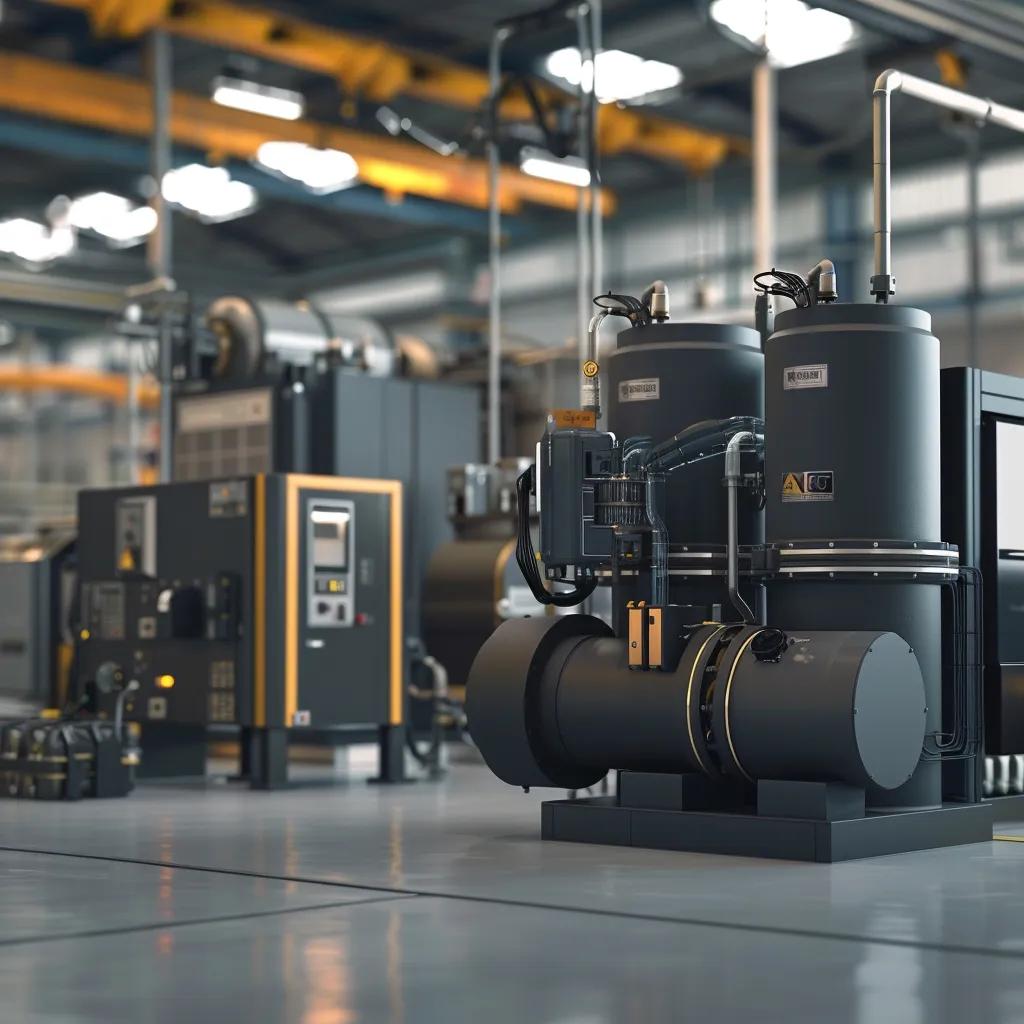
Comparing rotary screw and piston air compressors? Uncover which industrial air compressor suits your business needs best for efficiency and performance.