Top Benefits of Choosing Local Air Compressor Suppliers Ontario for Industrial and Automotive Needs
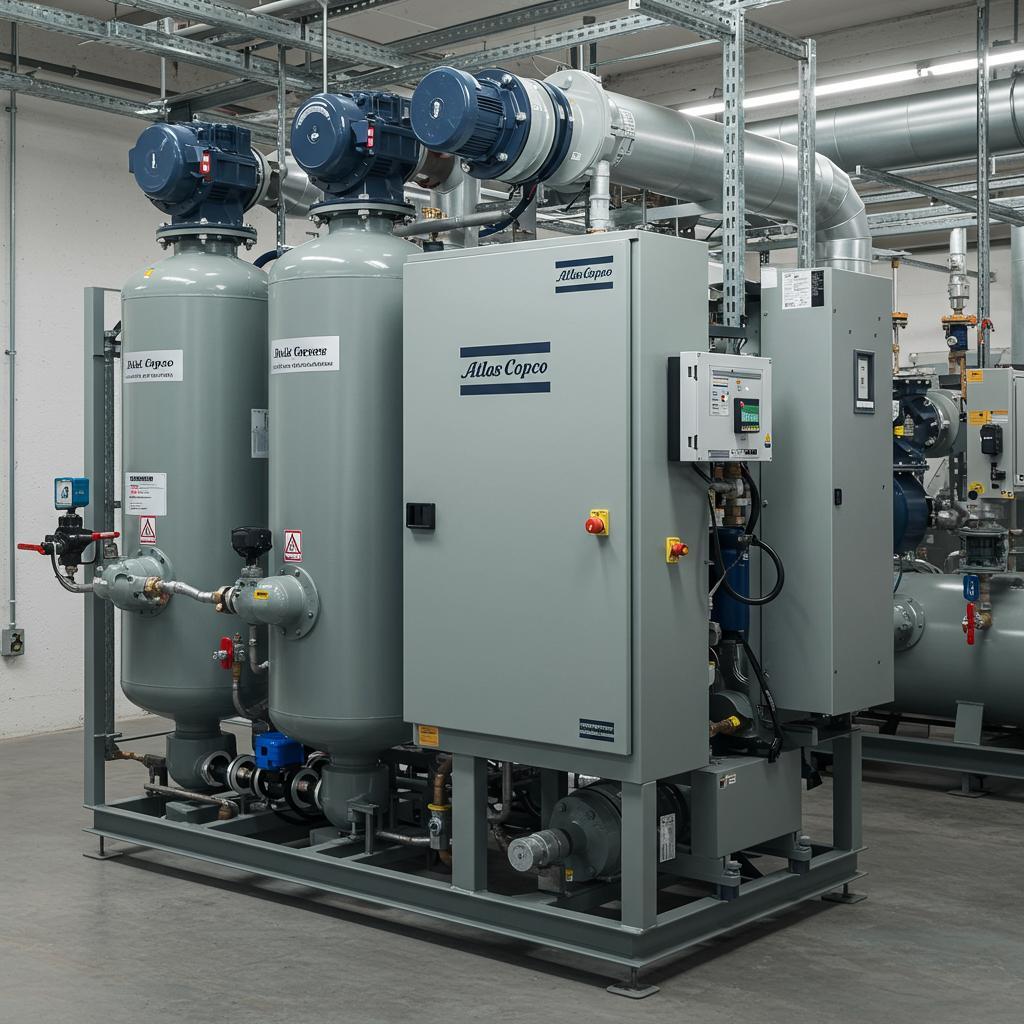
Local Air Compressor Suppliers For industrial and automotive businesses across Ontario, partnering with a local expert like CED Compressed Air ensures immediate access to service in Ajax, Barrie, and GTA. Local suppliers offer unique advantages, including reduced shipping costs, faster delivery times, and access to genuine parts. This article explores the top benefits of selecting local air compressor suppliers, focusing on cost savings, quality assurance, and enhanced maintenance services. Many businesses face challenges related to long delivery times and compatibility issues with parts sourced from distant suppliers. By opting for local suppliers, companies can mitigate these issues and ensure a more reliable supply chain. We will delve into the financial advantages of local sourcing, the importance of genuine parts, and real-world success stories that highlight the value of local partnerships. What Cost and Time Savings Do Local Air Compressor Parts Suppliers Offer? Local air compressor parts suppliers provide significant cost and time savings that can enhance operational efficiency. By sourcing parts locally, businesses can reduce shipping costs and minimize delivery times, which is crucial for maintaining productivity. Local suppliers often have inventory readily available, allowing for quicker access to necessary components. This immediacy not only saves money but also ensures that operations can continue without unnecessary delays. How Does Local Availability Reduce Delivery Times and Shipping Costs? Local availability is about more than shipping—it’s about 24/7 emergency support. With technicians stationed across the GTA and Southwestern Ontario, CED can provide on-site emergency repairs and preventative maintenance that a distant supplier simply cannot match. When businesses source from nearby suppliers, they benefit from shorter transit distances, which translates to faster delivery. This is particularly important in industries where downtime can lead to substantial financial losses. Additionally, local suppliers often offer lower shipping rates compared to distant suppliers, further enhancing cost savings. What Are the Financial Advantages of Choosing Nearby Compressed Air Equipment Dealers? Choosing nearby compressed air equipment dealers can lead to significant financial advantages. Local suppliers typically offer competitive pricing due to lower transportation costs and the ability to respond quickly to market demands. Furthermore, establishing long-term relationships with local suppliers can lead to better pricing agreements and discounts, ultimately resulting in long-term savings for businesses. Why Is Access to Genuine Air Compressor Parts and Accessories Crucial? Access to genuine air compressor parts and accessories is essential for maintaining the reliability and efficiency of compressed air systems. Local suppliers often provide authentic parts that are specifically designed for compatibility with existing equipment. This ensures that businesses can avoid the risks associated with using counterfeit or incompatible components, which can lead to system failures and costly repairs. This strategy is mirrored globally, where local manufacturing often underpins a stable supply chain for critical components. How Do Local Suppliers Ensure Quality and Compatibility of Industrial Air Compressor Parts? Local suppliers prioritize quality and compatibility by sourcing parts from reputable manufacturers. They often have established relationships with these manufacturers, allowing them to ensure that the parts meet industry standards. Additionally, local suppliers can provide expert advice on the best components for specific applications, further enhancing the reliability of the systems they support. What Essential Accessories Should You Source from Local Distributors? When sourcing air compressor parts, it is crucial to consider essential accessories that can enhance system performance. CED provides local access to advanced accessories, including high-efficiency air filters, smart monitoring systems (SmartLink), and condensate management solutions that improve air quality and reduce your total cost of ownership. By sourcing these accessories locally, businesses can ensure they receive high-quality products that are compatible with their systems. How Do Local Air Compressor Service Providers Enhance Maintenance and System Reliability? Local air compressor service providers play a critical role in enhancing maintenance and system reliability. Their proximity allows for quicker response times, which is essential for addressing any issues that may arise. This responsiveness can significantly reduce downtime, ensuring that operations continue smoothly. In What Ways Does Proximity Improve Response Times for Compressed Air System Maintenance? Proximity to service providers improves response times for maintenance significantly. Local technicians can arrive on-site quickly to diagnose and resolve issues, minimizing the impact on production. This immediate access to support is invaluable for businesses that rely heavily on their compressed air systems for daily operations. How Does Expert Local Support Impact Operational Efficiency in Manufacturing and Automotive Sectors? Expert local support can greatly impact operational efficiency in manufacturing and automotive sectors. Local service providers understand the specific needs of businesses in these industries and can offer tailored solutions. Their expertise ensures that systems are maintained effectively, reducing the likelihood of unexpected failures and enhancing overall productivity. What Are Real-World Success Stories Demonstrating the Benefits of Local Air Compressor Suppliers? Real-world success stories illustrate the tangible benefits of choosing local air compressor suppliers. Many businesses have reported significant cost savings and improved uptime by partnering with local distributors. These case studies highlight how local suppliers can provide not only parts but also valuable support and expertise. Which Case Studies Highlight Cost Savings and Improved Uptime with Local Suppliers? Several case studies demonstrate the cost savings and improved uptime achieved through local supplier partnerships. For instance, a manufacturing company that switched to a local supplier reported a reduction in parts costs and a decrease in downtime due to faster service and delivery. These metrics underscore the financial and operational advantages of local sourcing. How Do Customer Testimonials Reflect the Value of Choosing Local Compressed Air Equipment Dealers? Customer testimonials often reflect the value of choosing local compressed air equipment dealers. Many clients express satisfaction with the personalized service and quick response times they receive from local suppliers. This feedback reinforces the idea that local partnerships can lead to better business outcomes and enhanced operational efficiency.
Why Professional Energy Audits Matter for Your Business: Understanding the Energy Audit Process and Benefits
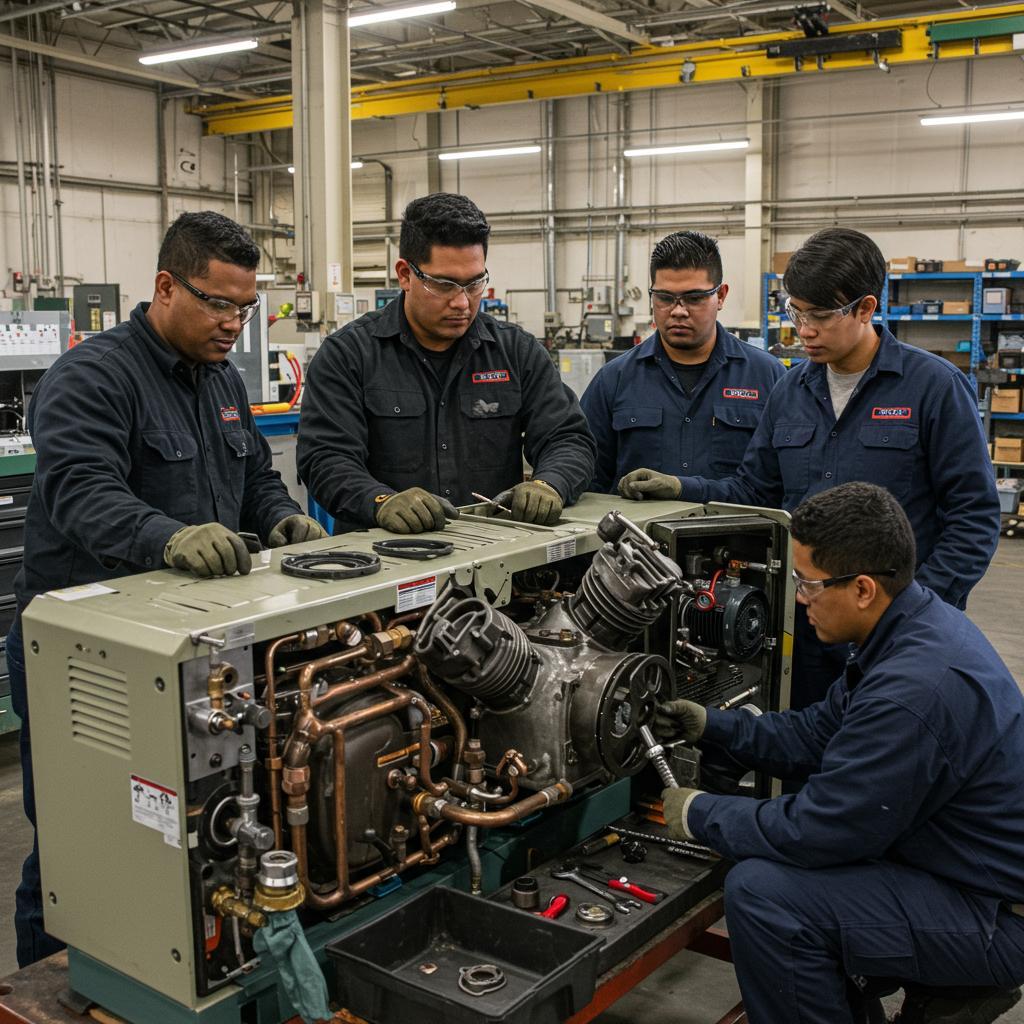
Air Compressor Energy Audit In today’s competitive industrial landscape, optimizing energy consumption is crucial for maintaining operational efficiency and reducing costs. Professional energy audits serve as a vital tool for businesses looking to identify inefficiencies and implement effective energy-saving strategies. This article delves into the energy audit process, its benefits for industrial energy efficiency, and how businesses can select the right audit provider. By understanding the importance of energy audits, companies can make informed decisions that lead to significant cost savings and enhanced sustainability. What Is the Energy Audit Process for Compressed Air Systems? The energy audit process for compressed air systems involves a systematic evaluation of the system’s performance to identify inefficiencies and areas for improvement. This process is essential for businesses that rely on compressed air for their operations, as it helps to uncover hidden costs associated with energy waste. By conducting a thorough audit, companies can gain insights into their energy consumption metrics and develop strategies to optimize their systems. Further insights into the methodologies and potential savings from such audits highlight their critical role in industrial settings. How Do Energy Audits Identify Inefficiencies and Leaks? Energy audits identify inefficiencies and leaks by employing various diagnostic tools and techniques. Common methods include pressure testing, flow measurement, and ultrasonic leak detection, which identifies leaks in real-time without interrupting your production schedule. For instance, leaks in compressed air systems can lead to significant energy losses, often accounting for up to 30% of total energy consumption. By addressing these leaks, businesses can reduce their energy costs and improve overall system performance. What Are the Key Steps in Conducting a Professional Air Energy Audit? CED follows these specific international standards to ensure accuracy. How Can Energy Audits Improve Industrial Energy Efficiency? Energy audits play a crucial role in enhancing industrial energy efficiency by providing a clear understanding of how energy is used within a facility. By identifying inefficiencies, businesses can implement targeted solutions that lead to substantial energy savings and improved operational performance. What Common Inefficiencies Affect Compressed Air Systems in Manufacturing? Common inefficiencies affecting compressed air systems in manufacturing include leaks, improper pressure settings, and inadequate system design. For example, leaks can significantly increase energy costs, while operating at higher than necessary pressure can lead to wasted energy. Addressing these issues through an energy audit can result in improved efficiency and reduced operational costs. How Do Energy Audits Lead to Compressed Air System Optimization? Energy audits lead to compressed air system optimization by providing actionable insights that help businesses make informed decisions. Techniques such as adjusting pressure settings, repairing leaks, and upgrading equipment can enhance system performance. For instance, implementing variable speed drives on compressors can optimize energy use based on demand, resulting in significant cost savings. What Are the Business Benefits of Professional Energy Audits? Professional energy audits offer numerous benefits for businesses, including cost savings, improved operational efficiency, and enhanced sustainability. By identifying and addressing inefficiencies, companies can reduce their energy consumption and lower their utility bills. How Do Energy Audits Contribute to Energy Cost Reduction Strategies? Energy audits contribute to energy cost reduction strategies by pinpointing specific areas where savings can be achieved. For example, businesses may discover that upgrading to more efficient equipment or implementing better maintenance practices can lead to substantial reductions in energy costs. These audits provide a roadmap for companies to follow in their pursuit of energy efficiency. What Return on Investment Can Businesses Expect from Energy Audits? Businesses can expect a favorable return on investment (ROI) from energy audits, often seeing ROI of under 18 months. The exact ROI will depend on the specific measures implemented and the scale of energy savings achieved. Many companies report savings of 20-50% on their energy bills after conducting a professional energy audit. How to Choose the Right Energy Audit Provider for Your Business? Selecting the right energy audit provider is crucial for ensuring a successful audit process. Businesses should consider several factors when evaluating potential providers, including experience, expertise, and the range of services offered. CED is a leading partner with Atlas Copco in Canada. What Criteria Should You Use to Select a Professional Energy Audit Service? When choosing a professional energy audit service, consider the following criteria: How Does CED Compressed Air Deliver Tailored Audit Solutions? CED Compressed Air specializes in providing tailored audit solutions designed to optimize energy consumption in industrial and manufacturing settings. Their team of experts conducts comprehensive energy audits that identify inefficiencies and recommend actionable strategies for improvement. By focusing on compressed air systems, CED ensures that businesses receive targeted insights that lead to significant energy savings and enhanced operational efficiency. Different optimization strategies deliver distinct benefits through specific mechanisms. Strategy Mechanism Benefit Leak Repair Identifying and fixing leaks Reduces energy waste and costs Pressure Optimization Adjusting system pressure to match demand Improves efficiency and reduces wear Equipment Upgrades Replacing outdated equipment with energy-efficient models Lowers energy consumption and costs This comparison demonstrates how targeted strategies can significantly enhance the efficiency of compressed air systems. To further explore how air energy audits can benefit your business, consider partnering with a reputable provider. In conclusion, professional energy audits are essential for businesses seeking to improve their energy efficiency and reduce operational costs. By understanding the audit process and its benefits, companies can make informed decisions that lead to sustainable practices and long-term savings.
Effective Tips to Reduce Compressed Air Leaks for Energy Savings and System Optimization
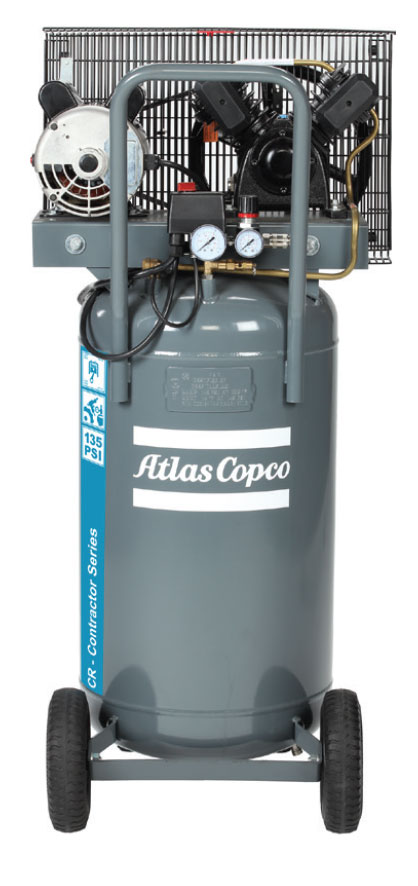
Compressed air leaks are a significant concern for industrial systems, leading to wasted energy and increased operational costs. Understanding how to identify and mitigate these leaks is crucial for optimizing air systems and enhancing energy efficiency. This article provides actionable tips and strategies to effectively reduce compressed air leaks, ultimately contributing to energy savings and improved system reliability. Readers will learn about the nature of compressed air leaks, their impact on energy efficiency, common causes, detection methods, and best practices for repair. By addressing these issues, businesses can achieve substantial cost benefits and enhance their operational efficiency. What Are Compressed Air Leaks and How Do They Impact Energy Efficiency? Compressed air leaks refer to unintended openings in an air system that allow air to escape, leading to inefficiencies. These leaks can significantly impact energy consumption, as systems must work harder to maintain pressure levels, resulting in increased energy costs. Addressing compressed air leaks is essential for maintaining optimal energy efficiency and reducing operational expenses. By understanding the implications of these leaks, businesses can prioritize leak detection and repair strategies. CED Compressed Air specializes in providing solutions to optimize air systems for industrial clients, helping them reduce energy waste caused by leaks. How Do Compressed Air Leaks Cause Energy Waste in Industrial Systems? Compressed air leaks lead to energy waste through several mechanisms. When air escapes from a system, the compressor must compensate by running longer and consuming more energy to maintain the desired pressure. This not only increases energy costs but also places additional strain on the compressor, potentially leading to premature wear and failure. Statistics indicate that even small leaks can result in significant energy losses, with some estimates suggesting that leaks can account for up to 30% of a system’s total energy consumption. Understanding these mechanisms is crucial for implementing effective leak management strategies. Further emphasizing the financial benefits of addressing leaks, research highlights key strategies for cost reduction. What Are Common Types and Causes of Air Leaks? Air leaks can occur in various forms and are often caused by several factors. Common types of leaks include: Fittings and Connections: Loose or damaged fittings can create gaps where air escapes. Hoses and Tubing: Wear and tear on hoses can lead to cracks and leaks. Valves: Faulty or improperly sealed valves can allow air to escape. Identifying these common causes is the first step in preventing leaks and ensuring the efficiency of compressed air systems. Which Compressed Air Leak Detection Methods Are Most Effective? Effective leak detection is vital for minimizing energy waste in compressed air systems. Several methods can be employed to identify leaks, including: Ultrasonic Leak Detection: This method uses ultrasonic sound waves to detect leaks that are otherwise inaudible. Visual Inspection: Regular visual checks can help identify obvious signs of leaks, such as hissing sounds or air movement. Pressure Testing: Monitoring pressure drops can indicate the presence of leaks within the system. Each method has its advantages and can be used in conjunction to ensure comprehensive leak detection. How Does Ultrasonic Leak Detection Technology Work? Ultrasonic leak detection technology operates by capturing high-frequency sound waves emitted by escaping air. These sound waves are beyond the range of human hearing, making this method particularly effective for identifying leaks in noisy industrial environments. The technology typically involves the use of a handheld device that can pinpoint the location of leaks, allowing for targeted repairs. This method is not only efficient but also minimizes downtime, as it can be performed while the system is operational. The effectiveness of ultrasonic technology in industrial settings, even amidst background noise, has been further validated by recent studies. What Are Visual and Pressure-Based Leak Detection Techniques? Visual and pressure-based leak detection techniques are essential for identifying leaks in compressed air systems. Visual inspections involve checking for signs of wear, damage, or loose connections that may indicate leaks. Pressure-based techniques, on the other hand, involve monitoring the system’s pressure levels to identify drops that suggest air loss. Both methods are valuable tools in a comprehensive leak detection strategy, enabling businesses to maintain optimal system performance. How Can Air Leak Repair Techniques Improve System Reliability and Reduce Costs? Implementing effective air leak repair techniques can significantly enhance system reliability and reduce operational costs. By promptly addressing leaks, businesses can prevent energy waste and extend the lifespan of their equipment. Repair techniques may include resealing connections, replacing damaged hoses, and upgrading fittings to more durable materials. These proactive measures not only improve system efficiency but also contribute to long-term cost savings. Indeed, studies underscore the significant economic advantages and system optimization achieved through diligent leak repair. CED Compressed Air offers specialized leak detection and repair solutions tailored to meet the needs of industrial clients, ensuring optimal system performance. What Are Best Practices for Repairing Compressed Air Leaks? To effectively repair compressed air leaks, businesses should follow these best practices: Conduct Regular Inspections: Schedule routine checks to identify potential leaks before they become significant issues. Use Quality Materials: Invest in high-quality fittings, hoses, and seals to minimize the risk of leaks. Train Staff: Ensure that employees are trained in leak detection and repair techniques to promote a culture of maintenance. By adhering to these best practices, organizations can maintain efficient air systems and reduce the likelihood of future leaks. Which Repair Technologies and Materials Are Recommended? When it comes to repairing compressed air leaks, several technologies and materials are recommended for effective results. These include: Sealants: High-quality sealants can be used to fill gaps and prevent air loss. Replacement Parts: Using OEM (original equipment manufacturer) parts ensures compatibility and reliability. Advanced Repair Kits: Specialized kits designed for air systems can provide comprehensive solutions for various leak types. Investing in the right technologies and materials is crucial for achieving lasting repairs and maintaining system efficiency. What Are the Energy Savings and Cost Benefits of Reducing Compressed Air Leaks? Reducing compressed air leaks can lead to substantial energy savings and cost benefits for businesses. By addressing leaks, companies can
Professional Air Compressor Installation Services in Ontario: Expert Solutions for Industrial and Commercial Needs
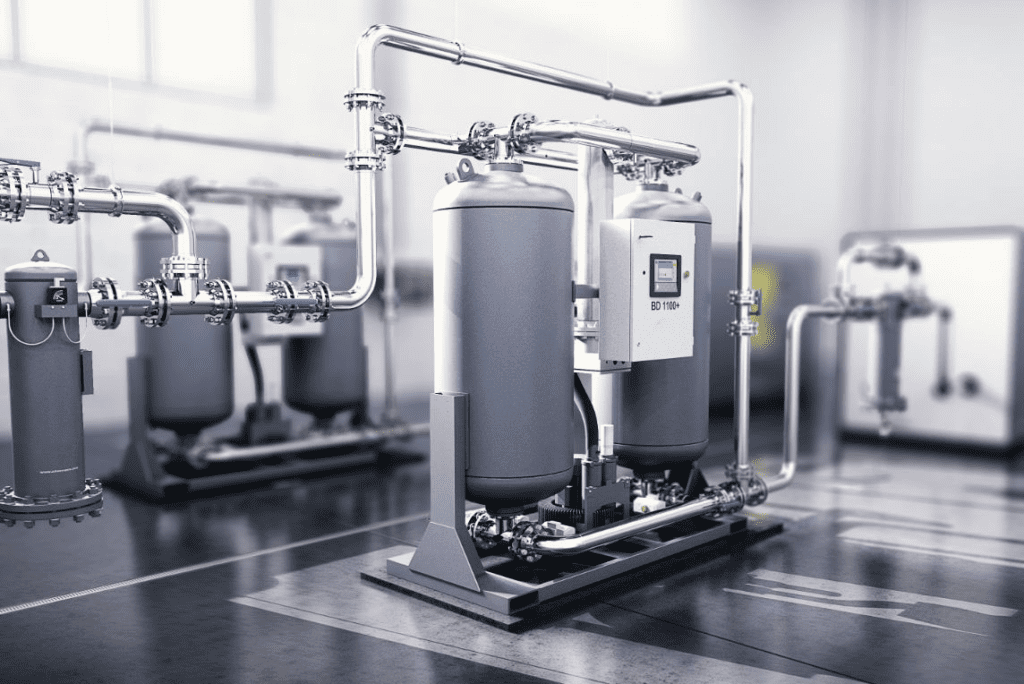
Professional air compressor installation is essential for businesses in Ontario, particularly in the manufacturing, automotive, and industrial sectors. This service ensures that compressed air systems operate efficiently, providing reliable power for various applications. By hiring experts for installation, companies can benefit from increased efficiency, reduced downtime, and expert guidance tailored to their specific needs. This article will explore the key benefits of professional air compressor installation, the importance of customized setups, and the steps involved in seamless installation. Additionally, we will discuss the costs associated with these services and the unique offerings from CED Compressed Air. What Are the Key Benefits of Professional Industrial Air Compressor Installation? Professional industrial air compressor installation offers several advantages that can significantly impact operational efficiency. First, expert installation ensures that the system is set up correctly, which maximizes performance and minimizes the risk of future issues. Second, professional installers can provide tailored solutions that meet the specific needs of a business, enhancing overall productivity. Lastly, hiring professionals reduces downtime during installation, allowing businesses to resume operations quickly. CED Compressed Air specializes in professional air compressor installation services in Ontario, targeting businesses in manufacturing, automotive, and industrial sectors. The company provides comprehensive compressed air solutions, including system integration and professional compressor setup. Indeed, the foundational principles of industrial compressor installation emphasize reliability, efficiency, and safety as paramount for any large enterprise. How Does Customized Compressor Setup Maximize Operational Efficiency? Customized compressor setups are designed to meet the unique requirements of each business, which can lead to significant improvements in operational efficiency. By analyzing the specific needs of a facility, professionals can recommend the right type and size of compressor, ensuring optimal performance. Tailored solutions can also include adjustments to piping systems and integration with existing equipment, which further enhances efficiency. Moreover, customized setups can lead to cost savings by reducing energy consumption and minimizing maintenance needs. This proactive approach not grueling improves performance but also extends the lifespan of the equipment. Why Is Minimizing Downtime Critical in Manufacturing and Automotive Sectors? Minimizing downtime is crucial in manufacturing and automotive sectors, where even short interruptions can lead to significant financial losses. Downtime can impact productivity, delay project timelines, and increase operational costs. Therefore, having a reliable air compressor system is essential for maintaining continuous operations. To minimize downtime, businesses should invest in professional installation services that ensure systems are set up correctly from the start. Additionally, regular maintenance and prompt repairs can help prevent unexpected breakdowns, further reducing the risk of downtime. How Does Compressed Air System Integration Enhance Industrial Performance in Ontario? Compressed air system integration involves connecting various components of the air compressor system to work together seamlessly. This integration enhances industrial performance by improving system efficiency and reliability. When all components are properly integrated, businesses can achieve better control over their compressed air systems, leading to optimized performance. Furthermore, integrated systems can provide real-time monitoring and diagnostics, allowing for quick identification of potential issues before they escalate. This proactive approach not only enhances performance but also contributes to energy savings and reduced operational costs. What Are the Steps Involved in Seamless Compressed Air Piping Installation? Seamless compressed air piping installation involves several critical steps to ensure optimal performance and reliability. The process typically includes: Planning: Assessing the facility’s layout and determining the most efficient piping routes. Installation: Installing the piping systems according to industry standards and best practices. Testing: Conducting pressure tests to ensure there are no leaks and that the system operates as intended. By following these steps, businesses can ensure that their compressed air systems are set up for success, minimizing the risk of future issues. How Do System Integration Services Improve Energy Efficiency and Reliability? System integration services play a vital role in enhancing energy efficiency and reliability in compressed air systems. By optimizing the interaction between various components, these services can lead to significant energy savings. For instance, integrated systems can adjust compressor output based on real-time demand, reducing unnecessary energy consumption. Additionally, improved reliability is achieved through better monitoring and control of the system. This proactive approach allows for timely maintenance and repairs, ensuring that the system operates smoothly and efficiently. What Are the Essential Air Compressor Maintenance Services for Long-Term Reliability? Regular maintenance is crucial for ensuring the long-term reliability of air compressor systems. Essential maintenance services include: Routine Inspections: Regular checks to identify potential issues before they escalate. Filter Replacements: Changing air filters to maintain optimal airflow and prevent contamination. Lubrication: Ensuring that all moving parts are properly lubricated to reduce wear and tear. By investing in these maintenance services, businesses can extend the lifespan of their equipment and maintain consistent performance. How to Detect and Repair Compressed Air Leaks Effectively? Detecting and repairing compressed air leaks is essential for maintaining system efficiency. Leaks can lead to significant energy losses and increased operational costs. Effective methods for leak detection include: Ultrasonic Leak Detectors: These devices can identify leaks by detecting the high-frequency sound produced by escaping air. Soapy Water Method: Applying soapy water to suspected areas can reveal leaks through the formation of bubbles. Once leaks are identified, prompt repairs should be made to restore system efficiency and prevent further losses. Beyond leak detection, a systematic approach to energy savings in compressed air systems involves various measures, including leak prevention and optimization of end uses. What Predictive Maintenance Technologies Are Used in Ontario’s Industrial Sectors? Predictive maintenance technologies are increasingly being adopted in Ontario’s industrial sectors to enhance equipment reliability and performance. These technologies utilize data analytics and real-time monitoring to predict when maintenance is needed, allowing businesses to address issues before they lead to failures. Common predictive maintenance technologies include: Vibration Analysis: Monitoring equipment vibrations to identify potential mechanical issues. Thermal Imaging: Detecting overheating components that may indicate impending failures. By implementing these technologies, businesses can reduce downtime and maintenance costs while improving overall operational efficiency. The broader context of compressed air systems highlights how advanced maintenance strategies, including predictive maintenance, are crucial for
Atlas Copco Oil-Free Air Compressors for Critical Applications: Clean, Efficient, and Reliable Compressed Air Solutions
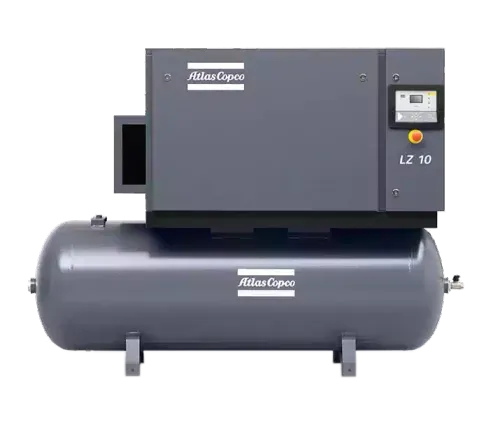
In industries where air quality is crucial, Atlas Copco oil-free air compressors provide a trusted solution. These compressors use advanced technology to deliver clean, efficient, and contamination-free air, making them perfect for critical sectors like food processing and pharmaceuticals. This article covers the technology behind oil-free compressors, key industry standards, their main applications, and the energy-saving benefits they offer. Understanding these factors helps businesses choose the right compressed air solutions to ensure reliability and meet strict regulations. What is Oil-Free Compressor Technology and How Does It Ensure Contamination-Free Air? Oil-free compressor technology compresses air without using lubricating oil, which can contaminate the air supply. It relies on advanced materials and designs to compress air efficiently while keeping it pure. The main advantage is delivering clean air, essential in industries where air quality affects product safety and regulatory compliance. How Do Atlas Copco Oil-Free Compressors Work? Atlas Copco oil-free compressors use precisely engineered components to compress air without oil contamination. Ambient air is drawn in and compressed using rotary screw technology, where two interlocking rotors compress the air as it passes through. This method ensures high efficiency and eliminates oil contamination risks, making it ideal for sensitive applications like food and pharmaceutical manufacturing. Which Industry Standards and Certifications Guarantee Air Quality Compliance? Meeting industry standards and certifications is vital to ensure compressed air quality. Various organizations set these standards to help manufacturers and users maintain air purity and safety. What is ISO 8573 and Its Role in Air Quality Classification? ISO 8573 is an international standard that classifies compressed air quality based on contaminants like particles, water, and oil. It provides a framework for measuring and ensuring air purity, helping industries select compressors that meet their needs. Compliance with ISO 8573 ensures compressed air is free from harmful contaminants, protecting product integrity. How Do Food Grade Compressed Air Requirements Impact Compressor Selection? Food grade compressed air standards require air used in food processing to meet strict safety and quality levels. This influences compressor choice, as businesses must select oil-free compressors that comply with these regulations to avoid contamination. Using oil-free technology in food manufacturing enhances product safety and quality. What Are the Key Applications of Atlas Copco Oil-Free Air Compressors in Critical Industries? Atlas Copco oil-free air compressors serve many industries where air quality is critical, including food manufacturing, pharmaceuticals, and automotive sectors. Clean air is essential for operational efficiency and product safety in these fields. How Are Oil-Free Compressors Used in Food and Pharmaceutical Manufacturing? In food and pharmaceutical production, oil-free compressors maintain air purity for processes like packaging, conveying, and cooling. By eliminating oil contamination risks, they help meet health and safety regulations and protect consumer health. Research also highlights ways to optimize compressed air systems in pharmaceutical manufacturing for better efficiency and sustainability. What Benefits Do Automotive and Industrial Sectors Gain from Clean Air Systems? Automotive and industrial sectors benefit from oil-free compressors by reducing equipment failures caused by contamination. These systems lower maintenance needs, extend machinery life, and improve productivity, leading to cost savings and smoother operations. How Do Oil-Free Air Compressors Deliver Energy Efficiency and Cost Savings? Designed for energy efficiency, oil-free compressors help businesses save on energy costs while maintaining strong performance. Their advanced features reduce energy use, making them a smart choice for optimizing operations. What Energy-Efficient Technologies Are Integrated in Atlas Copco Compressors? Atlas Copco incorporates technologies like variable speed drives and advanced control systems in their oil-free compressors. These allow the compressor to adjust output based on demand, cutting energy consumption and lowering operational costs without sacrificing reliability. How Does Reduced Maintenance Improve Operational Reliability? Oil-free compressors require less maintenance than traditional oil-lubricated models due to durable materials and smart engineering that reduce wear. This means fewer breakdowns, less downtime, and better productivity for businesses. What Maintenance Practices Ensure Reliability for Critical Application Compressors? Maintaining oil-free compressors involves regular inspections and following manufacturer guidelines to keep performance optimal and extend equipment life. How Does Predictive Maintenance Enhance Compressor Performance? Predictive maintenance uses data and monitoring tools to spot potential issues early. This lets businesses schedule maintenance before problems occur, reducing unexpected failures and improving compressor reliability. What Are Best Practices for Lifecycle Management of Oil-Free Compressors? Effective lifecycle management includes regular performance checks, timely upgrades, and sticking to maintenance schedules. These practices help maximize compressor lifespan and ensure consistent air quality. Technology Feature Benefit Variable Speed Drive Adjusts compressor speed Reduces energy consumption Advanced Control Systems Monitors performance Enhances operational efficiency Durable Materials Minimizes wear Extends equipment lifespan This table shows how energy-efficient technologies in Atlas Copco oil-free compressors lead to lower energy costs and improved reliability. In summary, Atlas Copco oil-free air compressors offer clean, efficient, and reliable solutions for critical industries. Understanding their technology, standards, and maintenance helps businesses improve efficiency and comply with regulations. Frequently Asked Questions What are the environmental benefits of using oil-free air compressors? Oil-free compressors avoid oil contamination and use less energy, helping reduce environmental impact and support sustainability goals. How do oil-free compressors compare to traditional compressors in terms of cost? Though they may cost more upfront, oil-free compressors save money over time through lower maintenance, energy savings, and longer lifespan. Can oil-free compressors be used in outdoor applications? Yes, but they need protection from harsh weather and proper installation to work well outdoors. What is the typical lifespan of an oil-free air compressor? With good care, oil-free compressors usually last 10 to 15 years or more. Are there specific training requirements for operating oil-free compressors? Training is recommended to ensure safe and efficient use, covering operation, maintenance, and troubleshooting. What advancements are being made in oil-free compressor technology? New developments focus on energy efficiency, noise reduction, smart controls, and eco-friendly materials to improve performance and sustainability.
How to Choose the Right Industrial Air Compressor Model
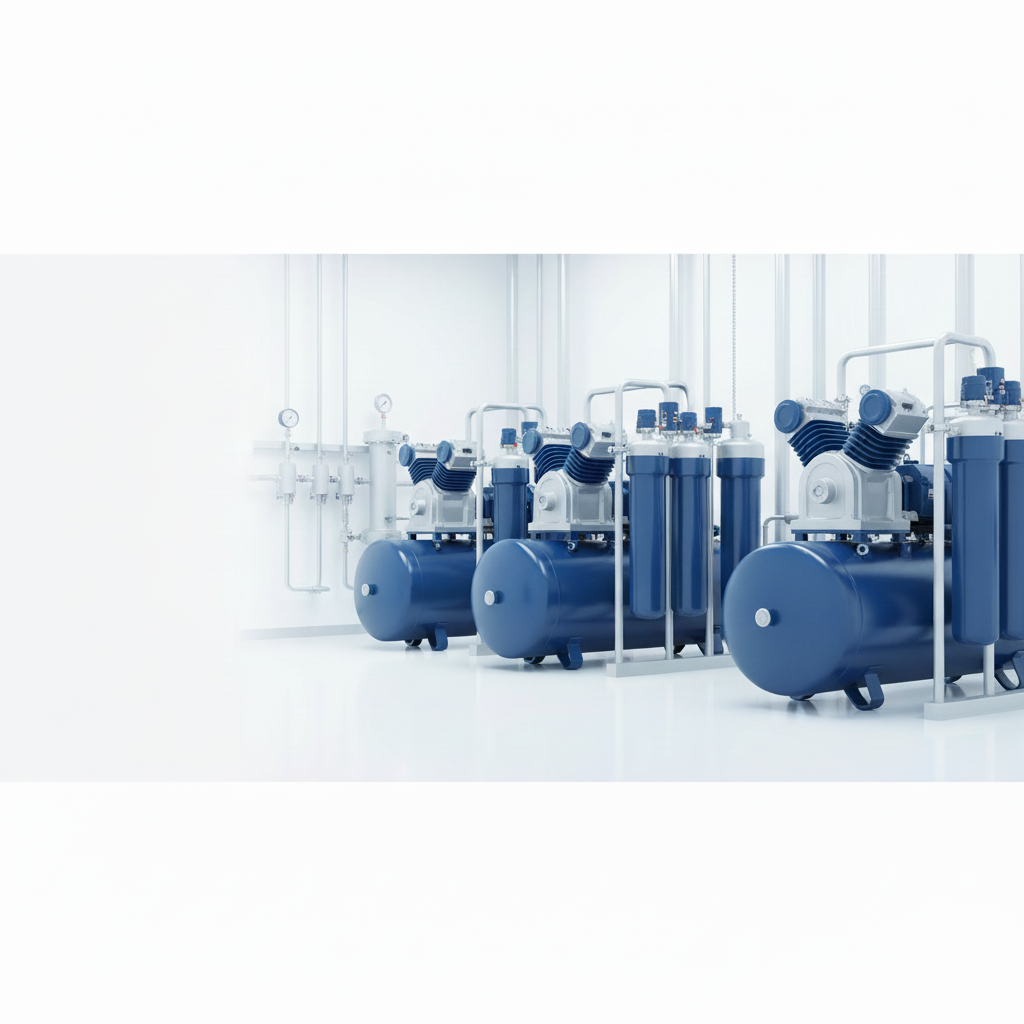
Choosing the right industrial air compressor starts with your application, not the machine. Below is short, practical content aligned with CED Compressed Air’s tone and Atlas Copco product focus. Start with your application Before you look at models, get clear on how you use compressed air. Ask yourself: What tools or processes will run on compressed air, and how often are they used? (continuous vs. occasional). Do you only run one shift, or is your operation 24/7? Do you need very clean or oil‑free air for food, medical, lab, or electronics use? This helps narrow down the right Atlas Copco technology and size for your plant. Pick the right compressor type Different compressor designs fit different jobs. Rotary screw: Best for continuous, industrial duty where air demand is steady and uptime is critical. Piston (reciprocating): Good for intermittent use, smaller installations, or higher‑pressure tasks. Oil‑free: Needed when air purity is critical, such as medical, food, or sensitive manufacturing. CED Compressed Air focuses on proven Atlas Copco models in each of these categories, so you’re not guessing between brands. Size it for flow and pressure A “right‑sized” compressor saves money and avoids downtime. Flow (CFM): Your system must deliver enough air at peak demand so tools, lines, and machines don’t starve or lose performance. Pressure (PSI): Different processes need different pressures; running higher than needed wastes energy. Future growth: If you expect to add lines or equipment, plan for that in your sizing now. CED’s team can review your current usage and recommend an Atlas Copco model that matches real demand, not guesswork. Consider your site and energy costs Where and how the compressor runs matters. Environment: Temperature, dust, and ventilation affect reliability and maintenance needs. Noise: For compressors near offices or workstations, quieter rotary screw units are often better. Energy efficiency: Variable speed drive (VSD) and modern Atlas Copco controls can significantly cut power costs over the life of the unit. CED Compressed Air also helps you design the system around the compressor with dryers, filters, and accessories so the whole setup runs efficiently. Look at service, not just specs An industrial compressor is a long‑term investment, so support is as important as the model you choose. Brand quality: Atlas Copco units are known for reliability, technology, and long service life in demanding plants. Local support: CED Compressed Air offers sales, installation, preventative maintenance, and 24/7 emergency service across Ontario. Preventative programs: Tailored maintenance plans help prevent breakdowns, protect your investment, and keep production running. When you’re comparing options, ask who will support the compressor five years from now—not just who can ship it today. When to involve CED Compressed Air If you’re unsure which industrial air compressor model is right for you, bring CED in early. We review your air demand, site conditions, and growth plans. We recommend specific Atlas Copco compressor models, plus dryers and accessories, that fit your application. We provide full lifecycle support, from installation to 24/7 emergency repairs and ongoing maintenance. Contact CED Compressed Air in Ontario to discuss your application and choose the right industrial air compressor model for your facility.
Replacing Desiccant in Air Dryers: Essential Guide for Industrial Air Dryer Maintenance in Ontario
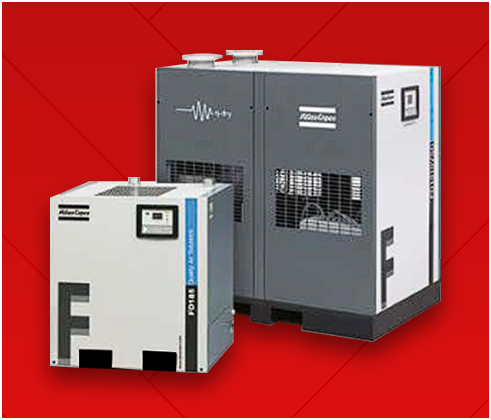
Desiccant air dryers remove moisture from compressed air by adsorbing water vapor onto porous media, producing a low pressure dew point that protects downstream equipment and product quality. Understanding when and why to replace desiccant is essential because saturated or contaminated desiccant degrades dew point performance, increases corrosion risk and causes unplanned downtime. This guide explains measurable signs of desiccant failure, compares common desiccant types (silica gel, activated alumina, molecular sieve), and walks through a safe, service-ready replacement process with monitoring tips for dew point and pressure behavior. You will also find practical maintenance schedules for different dryer classes and clear safety and disposal pointers to reduce environmental risk. Read on for step-by-step procedures, quick troubleshooting checklists, and localized service options to keep industrial air treatment systems reliable in Ontario. C.E.D. Compressed Air is a local Ontario specialist and established Atlas Copco distributor that provides sales, parts and service for industrial air compressors and related equipment, including air dryers. Their offerings include preventative maintenance programs, comprehensive parts supply and 24-hour emergency response to minimize downtime for facilities in Oshawa, Scarborough and surrounding areas. If you need expert desiccant replacement or a maintenance quote, request a service quote from C.E.D. Compressed Air to arrange inspection and parts availability. This article remains focused on practical maintenance guidance while pointing to local support when professional intervention is the best option. When and Why Should You Replace Desiccant in Your Air Dryer? Desiccant replacement is required when adsorption capacity drops enough to raise the pressure dew point, allowing moisture to pass downstream and compromising processes or instruments. Saturation happens because desiccant beads fill with adsorbed water, contaminants or oil, which reduces effective surface area and shortens cycle life. Replacing desiccant restores designed dew point performance, reduces compressor stress and prevents corrosion or product spoilage, delivering measurable operational benefits. The next sections list specific signs and frequency guidance you can use to decide when to replace desiccant in different dryer types. Different signs and measurements help target desiccant replacement decisions. Sign / Measurement What it Indicates Recommended Action Rising pressure dew point above spec Desiccant saturation or bypass Inspect dryer, replace desiccant if persistent Visible moisture or water in lines Carryover from dryer failure Check pre-filters and desiccant; service immediately Increased pressure drop or erratic cycling Bed fouling or channeling Replace desiccant and verify filtration Monitoring these indicators regularly helps prioritize service and prevent costly failures. Consistent dew point logging combined with filter checks gives the earliest warning of desiccant degradation. What Are the Signs That Desiccant Needs Changing? Key, observable signals indicate desiccant degradation and guide immediate action. Rising pressure dew point values measured with a reliable sensor are the primary quantitative indicator that adsorption capacity has fallen below design. Visual and functional cues such as liquid carryover into lines, visible condensation on piping, or product contamination signal urgent attention and likely desiccant replacement. Changes in dryer behaviour — longer regeneration cycles, frequent tower switching, or an unexplained pressure drop across the bed — also point to fouling or channeling inside desiccant beds and merit scheduled service. Many facilities rely on simple checks and routine logging to detect early problems: Dew point trend: Regular readings show gradual rise before failures. Moisture signs: Condensation or water in receivers indicates carryover. Operational anomalies: Unusual cycling or higher pressure drop. Using these checks together produces a reliable maintenance cue and helps avoid surprise downtime. How Often Should Desiccant Be Replaced in Different Air Dryer Types? Replacement intervals vary by dryer design, desiccant chemistry and operating conditions; there is no one-size-fits-all schedule. For heatless twin-tower dryers operating under clean, stable conditions, desiccant can often remain effective for 3–5 years, whereas heat-regenerated or blower-purge systems commonly require replacement every 2–4 years depending on load. Single-tower cartridge systems and point-of-use cartridges are typically replaced annually or per manufacturer guidance. Factors that shorten intervals include high inlet humidity, oil carryover from compressors, particulate contamination and unstable cycling; robust pre-filtration extends desiccant life significantly. Plan replacement based on measured performance and site conditions rather than a fixed calendar only. Regular filter replacement and dew point monitoring are the most effective mitigations to extend desiccant lifespan and keep replacement schedules predictable. What Are the Main Types of Desiccant Used in Air Dryers? Desiccants vary by adsorption capacity, regeneration method and typical applications; choosing the right material balances dew point needs against energy and replacement cost. Common hyponyms in industrial drying include silica gel desiccant beads, activated alumina, and molecular sieve desiccant, each offering different attainable pressure dew points and regeneration requirements. Understanding these differences helps align desiccant selection with instrument air, process air, or compressed air for general plant use. The table below compares typical performance attributes to help you decide. This table compares common desiccant types and their typical operational characteristics. Desiccant Type Typical Dew Point Achieved Regeneration Method Silica gel desiccant beads Around -40°C to -60°C Heat or heatless purge Activated alumina desiccant Around -40°C Heated regeneration or purge Molecular sieve desiccant Below -70°C (very low PDP) High-temp regeneration (heated) How Do Silica Gel, Activated Alumina, and Molecular Sieve Compare? Silica gel is cost-effective and performs well for general-purpose drying, achieving moderate dew points and tolerating simpler regeneration. Activated alumina provides stronger adsorption at lower dew points and suits many industrial instrument-air applications when paired with proper regeneration. Molecular sieve desiccant attains very low pressure dew points needed for critical instrument or specialty processes but demands higher regeneration energy and system control. Cost, achievable dew point, sensitivity to oil and water, and regeneration strategy determine the optimal choice for each installation. Compare practical trade-offs: silica gel for lower capital cost, activated alumina for balanced performance, and molecular sieve where ultra-low dew points or aggressive adsorption are necessary. What Factors Affect Desiccant Lifespan and Performance? Operational and environmental conditions strongly influence how quickly desiccant degrades and when replacement becomes necessary. Oil carryover from compressors, particulate ingress from inadequate pre-filtration, and unusually high humidity loads increase contamination and reduce adsorption capacity. Incorrect
Why Energy Audits Matter for Reducing Compressor Expenses

An energy audit for compressed-air systems is a targeted inspection that finds waste, quantifies usage, and recommends measures to reduce operating costs and improve reliability. By mapping energy flows and measuring baseline kW and flow, an audit reveals where leaks, excess pressure, or control inefficiencies drive up compressor energy consumption. Facility managers, small manufacturers, and clinic owners will learn how audits translate into lower kWh use, reduced maintenance, and clearer ROI for upgrades. This article explains the main benefits of compressor energy audits, practical pathways to expense reduction, why efficiency extends equipment life, and the step-by-step audit process managers should expect. Read on for actionable checklists, quick savings comparisons, and tools you can use to prioritize high-impact fixes for compressed air system optimization. What Are the Main Benefits of a Compressor Energy Audit? A compressor energy audit directly reduces energy waste by identifying leaks, unnecessary pressure, and control issues so operators can cut kWh use and operating costs. The audit also improves reliability by recommending maintenance and sequencing changes that lower failure risk and unplanned downtime. Results typically include faster payback on low-cost fixes and clearer prioritization of capital upgrades to maximize compressor energy savings. The next section breaks down the mechanisms—how leak repair, pressure optimization, and controls deliver measurable efficiency gains. Compressor audit interventions map to mechanisms and typical savings so managers can prioritize actions based on cost-effectiveness. Intervention Mechanism Typical Impact Leak repair Removes continuous unintended airflow Reduces energy use; often 5–20% savings Control upgrades (VSDs, sequencing) Matches supply to demand Lowers runtime and peak power Pressure optimization Reduces system pressure setpoints Cuts kW per unit of flow Heat recovery Reclaims compressor thermal energy Offsets heating loads; improves overall ROI This comparison shows simple, high-impact interventions first and highlights how small changes often deliver outsized savings. The following subsection illustrates specific efficiency mechanisms in practice. How Do Energy Audits Improve Industrial Air Compressor Efficiency? Energy audits improve compressor efficiency by detecting leaks with ultrasonic detectors, metering flow and power, and mapping pressure drops across the network. Auditors quantify loss points so teams can prioritize high-leak areas and adjust pressure setpoints to match actual demand. Control strategies like variable speed drives and smarter sequencing reduce unnecessary runtime by aligning compressor output to fluctuating demand profiles. These targeted fixes lower kWh consumption and reduce mechanical stress on motors, which then feeds into longer equipment life and lower maintenance frequency. Which Cost Savings Result from Optimizing Compressed Air Systems? Optimizing compressed-air systems produces several cost savings including lower electricity bills, reduced repair costs, and deferred capital spending on new compressors. Simple payback is often calculated as upfront cost divided by annual energy savings, which helps rank projects by ROI. For smaller facilities and dental clinics, low-cost measures like leak repair and pressure tuning usually pay back fastest and give immediate operational relief. Prioritizing actions with the highest energy savings per dollar spent yields the most reliable path to sustained compressor energy savings. For dental practices that rely on compressed air for handpieces and instruments, measurable savings are common after simple audits; dental clinic managers and facility staff should consider contacting a qualified energy auditor to explore opportunities. Ottawa’s top dental clinic offering comprehensive care provides a useful example of how clinics depend on reliable compressed air—even though the clinic does not perform energy audits itself, managers can pursue audit partners to realize cost reductions. How Can Energy Audits Help Reduce Compressed Air System Expenses? An energy audit reduces compressed air expenses by identifying waste, quantifying energy use, prioritizing cost-effective interventions, and verifying results to lock in savings. Audits convert measured performance into a ranked action plan so teams fix high-impact problems first and track post-installation energy reductions. Implementing monitoring and simple control changes prevents backsliding and ensures savings persist over time. The next subsection lists common waste sources to target during an audit. Auditors commonly present a quick reference table of waste types and estimated annual savings ranges to help prioritize fixes before full implementation. Waste Source Root Cause Estimated Annual Savings Range Leaks Fittings, hoses, valves Small facilities: modest to significant Excess pressure High setpoints, poor control Moderate savings from pressure reduction Inappropriate blow-off Open pipes, inefficient tools Low-cost fixes with immediate gains Poor sequencing Unsupported demand variation Operational savings via control upgrades This at-a-glance view helps managers focus on the highest-return opportunities first and informs whether to pursue measurement-grade audits or targeted repairs. Next, see the ranked list of typical waste locations auditors inspect on-site. What Are Common Sources of Energy Waste in Compressor Systems? Common waste sources include airflow leaks, excessive system pressure, unmanaged blow-off points, inefficient compressor staging, and heat loss from poorly insulated equipment. Leaks are often the largest low-cost source of savings; auditors use ultrasonic detectors to find and prioritize repairs. Excess pressure increases kW per unit of delivered air and creates unnecessary stress on components, so pressure optimization is an early, inexpensive fix. Identifying and addressing these wastes turns vague inefficiencies into tangible energy and maintenance savings for operators.How Does Identifying Inefficiencies Lower Operating Costs? Identifying inefficiencies converts operational problems into calculable savings by measuring the kW reduction achievable and applying an energy cost rate to estimate annual savings. A basic formula—kW saved × hours × $/kWh—gives a quick annual saving estimate and informs payback calculations. Prioritizing low-cost, high-impact measures speeds return on investment and reduces maintenance burdens. Verification through post-implementation metering ensures projected savings are realized and sustained. Before implementing changes, facility managers should use a short checklist to guide on-site action and follow up with a verification plan. This checklist helps teams prepare for an audit and speeds up the measurement phase. For deeper planning, download a simple audit checklist or request a consultation from a qualified audit partner to capture measured baseline data. Why Is Energy Efficiency Important for Industrial Compressors? Energy efficiency matters because compressors are often one of a facility’s largest electrical loads, so small percentage improvements can produce significant dollar savings. Efficiency improvements also lower emissions intensity
7 Warning Signs Your Air Compressor Is Failing and How to Spot Them Early
Air compressors power tools, control systems, and manufacturing processes by converting electrical or fuel energy into compressed air; when they begin to fail, productivity drops and operating costs rise. This guide explains seven clear warning signs that indicate an air compressor is failing, why each symptom occurs, and what immediate checks or safety steps you can take to diagnose the root cause. You will learn how unusual noises map to mechanical faults, how pressure and performance changes reveal leaks or filter/clog problems, how electrical faults like frequent cycling or tripped breakers point to control or motor issues, and how overheating or visible wear signal urgent intervention. Each H2 covers core diagnostics, practical short tests, and decision rules for when to stop operation or call a professional. The article also includes quick comparison tables for normal vs abnormal readings, leak-type summaries, and specific guidance on taking action so you can spot problems early and reduce downtime. What Are the Most Common Signs of a Failing Air Compressor? This section lists the primary, easy-to-spot indicators that a compressor is degrading and explains what to listen and look for. Recognizing multiple signs together increases the probability of a serious fault and helps prioritize repairs quickly. The following numbered list summarizes the seven warning signs with concise cues you can check immediately. Unusual noises: Grinding, rattling, or hissing suggests bearings, loose parts, or leaks. Reduced performance: Low pressure, weak airflow, or slow pressure build-up during cycles. Frequent cycling or failure to start: Short-cycling or no-start often signals control or tank issues. Tripped breakers or electrical faults: Repeated breaker trips indicate overloads, shorts, or motor problems. Visible leaks or fluid residues: Air, oil, or refrigerant leaks show up as hissing, puddles, or oily spots. Overheating and burning smells: High temperatures or acrid odors point to lubrication or electrical failures. Visible wear and corrosion: Rust, cracked hoses, or loose fittings precede component failure. Spotting three or more of these signs together strongly suggests professional diagnostics rather than continued operation. If several signs are present, consider contacting local certified technicians who offer expert diagnostics, preventative programs, and emergency repair services to limit downtime and restore safe, efficient operation. How Can Unusual Noises Indicate Air Compressor Problems? Noises are a primary diagnostic cue because sound maps directly to failing components: grinding often indicates worn motor bearings, rattling can mean loose mounts or valves, and hissing usually signals an air leak in hoses or fittings. Listen close to the motor housing, pump head, and tank connections while the unit runs, then safely power down for a visual inspection if you hear abnormal tones. Use semantic triples to understand causes: bearing → wears → grinding noise; fitting → leaks → hissing. If grinding or metal-on-metal sounds occur, stop operation immediately to prevent catastrophic bearing failure and call a professional. What Performance Issues Show Your Compressor Is Losing Pressure? Reduced pressure and reduced airflow are typical signs that the system cannot meet demand because of leaks, clogged filters, failing valves, or tank issues that affect storage capacity. Check pressure gauges at idle and under load to compare measured values with expected operational setpoints for your compressor type (reciprocating, screw, portable, oil-free). If pressure builds slowly or tools lose power, drain the tank, inspect and replace clogged inlet filters, and perform a soap-test for leaks at fittings. Persistent low pressure despite these checks usually requires diagnostics on valves, regulators, or the pump. How Do Electrical Problems Signal Air Compressor Failure? Electrical symptoms often precede mechanical failure because motor strain and control faults appear as tripping breakers, frequent cycling, or failure-to-start events; these symptoms can indicate pressure switch faults, motor overloads, or faulty wiring. Always prioritize safety: shut down and isolate power before performing visual electrical checks, and avoid DIY internal motor or starter work unless qualified. The brief checklist below helps triage electrical issues safely and shows when to engage a professional electrician or compressor technician. Visual inspection: Look for scorched wiring, loose terminals, or melted insulation. Breaker/reset test: Reset once; a repeated trip indicates a persistent fault. Control checks: Verify the pressure switch and starter/disconnect are functioning. If electrical faults persist, stop using the unit and arrange professional diagnostics immediately; repeated breaker trips or burning smells are high-risk conditions that need certified technician attention. Why Does My Air Compressor Frequently Cycle or Fail to Start? Frequent cycling (short cycling) usually stems from leaks, incorrect tank sizing, or a faulty pressure switch causing the unit to reach the cut-out prematurely and restart often. Failure to start can arise from starter or capacitor problems, a seized motor, or blown fuses. Perform safe initial checks: confirm power supply voltage, try a single reset of the breaker, drain the tank to rule out trapped moisture, and inspect the pressure switch for visible damage. If resets fail or the compressor makes starter clicks without running, arrange professional starter/motor diagnostics to avoid electrical damage. What Does a Tripped Circuit Breaker Mean for Compressor Health? A single breaker trip may reflect temporary overload or inrush current, while repeated trips indicate a chronic overload, short circuit, or motor fault that generates heat and risk. Safely document when trips occur (under load vs idle), inspect for overheated terminals, and confirm the breaker rating matches the compressor’s electrical specifications. If trips recur after basic checks, stop restarting and schedule an electrician or certified technician to test motor insulation, starter capacitors, and wiring to prevent fire or motor burnout. How Can You Detect and Address Air Compressor Leaks Early? Detecting leaks early preserves energy and prevents short cycling; leaks fall into three main types (air, oil, refrigerant) that present distinct signs and immediate actions. A rapid detection workflow uses visual inspection, sound/soapy-water tests, and targeted checks of hoses, fittings, valves, and condensate drains. The table below summarizes leak types, visible signs, and first steps to take before calling for repairs. Intro: The table below helps you distinguish air, oil, and refrigerant leaks by observable cues and immediate containment steps. Leak Type Visible Signs Immediate Action Air leak Hissing sound, rapid pressure loss Apply soapy water, tighten
Choosing the Best Soundproofing Materials for Compressor Rooms
Industrial air compressors are notorious for their high decibel output, posing significant risks to worker well-being, operational efficiency, and adherence to regulatory standards. This comprehensive guide delves into the primary noise generators within compressor rooms, showcases leading soundproofing materials, explores effective enclosure design strategies, and outlines the selection and upkeep of optimal noise mitigation solutions. Leveraging the deep expertise of CED Compressed Air Inc., you’ll discover how to effectively reduce airborne noise, dampen impact vibrations, and meet stringent Canadian noise regulations, all while maintaining crucial ventilation and operational performance. Identifying Key Noise Sources in Compressor Rooms and the Imperative for Soundproofing Compressor rooms are a confluence of airborne, impact, and vibration noise, each contributing to hearing damage and workflow disruptions. Implementing robust soundproofing transforms these spaces into safer, more productive environments by effectively blocking, absorbing, and isolating sound energy. What Are the Primary Noise Emissions from Industrial Air Compressors? Industrial air compressors generate noise across three main categories: Airborne Noise: High-pressure air streams and operational pulsations propagate throughout the room. Impact Noise: Mechanical components like pistons and valves produce sharp, transient sounds. Vibration Noise: Structural vibrations transmit low-frequency thuds and tremors through floors and walls. The combined effect of these noise types frequently surpasses 85 dB, necessitating targeted mitigation strategies that address each sound transmission path to safeguard both personnel and equipment. How Does Compressor Noise Impact Workplace Safety and Productivity? Excessive noise levels from compressors can severely impair communication, heighten stress, and significantly increase the risk of permanent hearing loss. Environments with high decibel readings are directly linked to increased fatigue and diminished concentration, potentially reducing productivity by as much as 20%. Implementing effective acoustic treatments restores normal conversational levels and ensures compliance with OSHA and provincial health mandates. What Are the Governing Canadian Noise Regulations for Industrial Compressor Rooms? Canadian regulations establish maximum permissible sound levels to ensure the protection of workers and surrounding communities. Canadian Standards for Industrial Noise Exposure Canadian regulations, including those detailed in CSA Z107.56, define the maximum acceptable sound levels for industrial settings. These standards, alongside provincial guidelines from bodies like Alberta and Ontario, are designed to shield employees from the detrimental effects of prolonged noise exposure, typically setting limits around 85 dBA for an eight-hour workday. The following table highlights key regulatory benchmarks: Standard Maximum Permissible Level Scope of Application CSA Z107.56 (Industrial Noise Control) 85 dB(A) 8-hour TWA Indoor industrial environments Alberta OH&S Directive 85 dB(A) 8-hour TWA Machinery areas and plant floors Ontario Ministry of Labour 85 dB(A) 8-hour TWA All manufacturing and assembly operations Achieving compliance with these limits requires materials with proven Sound Transmission Class (STC) and Noise Reduction Coefficient (NRC) ratings to effectively shield personnel from hazardous noise levels and ensure regulatory adherence. Understanding STC and NRC: Key Metrics for Soundproofing STC (Sound Transmission Class) and NRC (Noise Reduction Coefficient) are vital metrics for assessing the performance of soundproofing materials. STC quantifies a material’s capacity to block sound transmission, while NRC measures its effectiveness in absorbing sound within a space. Higher STC values indicate superior sound blocking, and higher NRC values denote enhanced sound absorption, both critical for comprehensive noise control. Selecting the Most Effective Soundproofing Materials for Industrial Compressor Rooms The optimal selection of soundproofing materials depends on their ability to block airborne noise, absorb reverberant sound, and dampen vibrations. A multi-layered approach is essential for maximizing overall sound attenuation. What Are the Properties and Applications of Mass Loaded Vinyl (MLV) in Compressor Rooms? Mass Loaded Vinyl (MLV) is a dense, pliable barrier engineered to impede sound transmission. Its substantial surface mass effectively interrupts airborne noise, making it an excellent choice for walls and doors. Material Key Property Performance Benefit Mass Loaded Vinyl STC 28–32 per 1.2 mm thickness Blocks high-frequency compressor whine and hiss Density: 1.2 kg/m² Flexible for contouring around equipment Adapts to confined spaces and irregular surfaces Mass Loaded Vinyl (MLV) Performance Characteristics Mass Loaded Vinyl (MLV) is a dense, flexible material renowned for its effectiveness in blocking sound transmission. Its high surface mass is crucial for interrupting airborne noise, making it highly suitable for applications on walls and doors. The performance of MLV is further amplified when integrated with complementary noise reduction elements, such as vibration isolation mounts and specialized sound clips. The slim profile and manageable weight of MLV deliver significant noise reduction without compromising valuable interior space, creating an ideal foundation for subsequent acoustic absorption treatments. How Do Acoustic Panels Enhance Noise Absorption in Compressor Enclosures? Acoustic panels excel at absorbing mid- and high-frequency sound reflections, thereby reducing reverberation within enclosures. When installed on interior walls or ceilings, they function by: Capturing sound waves using cores made of fiberglass or mineral wool. Converting acoustic energy into thermal energy through frictional resistance. Minimizing echo and the formation of standing waves to improve ambient sound clarity. Combining MLV with acoustic panels creates a balanced system that addresses both sound transmission and internal room resonance, offering comprehensive noise control. What Are Sound Blankets and When Are They Most Effective? Sound blankets are highly versatile wraps designed for both absorption and damping, suitable for temporary installations or retrofitting existing structures. They typically: Feature layered construction with fiberglass and a protective vinyl facing. Can be draped over piping, ductwork, and machinery surfaces. Offer a noise reduction of 10–15 dB in targeted areas. Deploy sound blankets around compressor air inlets or exhaust outlets where permanent enclosures are not practical, and then integrate rigid acoustic treatments for sustained noise management. What Role Does Acoustic Foam Play in Noise Reduction? Acoustic foam provides lightweight, high-NRC panels that enhance interior acoustics by attenuating mid-range frequencies. Its open-cell structure effectively traps sound waves, lowering the sound pressure level (SPL) within the enclosure and preparing reflected sound energy for subsequent barrier layers. What Vibration Isolation Materials Are Recommended for Compressor Rooms? Effective vibration isolation is crucial for preventing structure-borne noise from radiating through floors and walls: Rubber Mats: Placed beneath baseplates, these mats can reduce external vibration transmission by 50–70%.