Preventative maintenance for industrial compressed air systems is essential to maximize efficiency and minimize downtime. This comprehensive guide explores the best practices, key strategies, and benefits of implementing a preventative maintenance program tailored specifically for the Greater Toronto Area (GTA). Industrial operations often face challenges regarding air system reliability, requiring effective solutions to ensure continuous productivity. By understanding the mechanisms of preventative maintenance, operators can protect their investments and enhance operational efficiency. This guide will cover best practices for maintenance, key strategies for tackling common challenges, and how localized service providers contribute to effective solutions, particularly in the context of CED Compressed Air’s services.
Best Practices for Preventative Maintenance
Implementing effective preventative maintenance practices is critical for the longevity and efficiency of industrial compressed air systems. Regular inspections play a central role, providing early detection of potential issues before they escalate into costly repairs. Scheduled maintenance significantly reduces unexpected failures, thus ensuring that systems operate without interruption. Utilizing quality materials during maintenance such as high-grade filters and replacement components prevents leaks and maintains system performance.
To ensure the utmost reliability, maintenance programs should include the following essential practices:
- Routine System Inspections: Conduct regular checks to identify wear, leaks, and corrosion.
- Scheduled Maintenance Activities: Establish a calendar for maintenance tasks to avoid operational disruptions.
- Use of Quality Parts: Invest in trusted manufacturers to enhance system longevity and reliability.
These best practices foster proactive system management, allowing businesses to minimize downtime and associated costs.
Key Maintenance Strategies
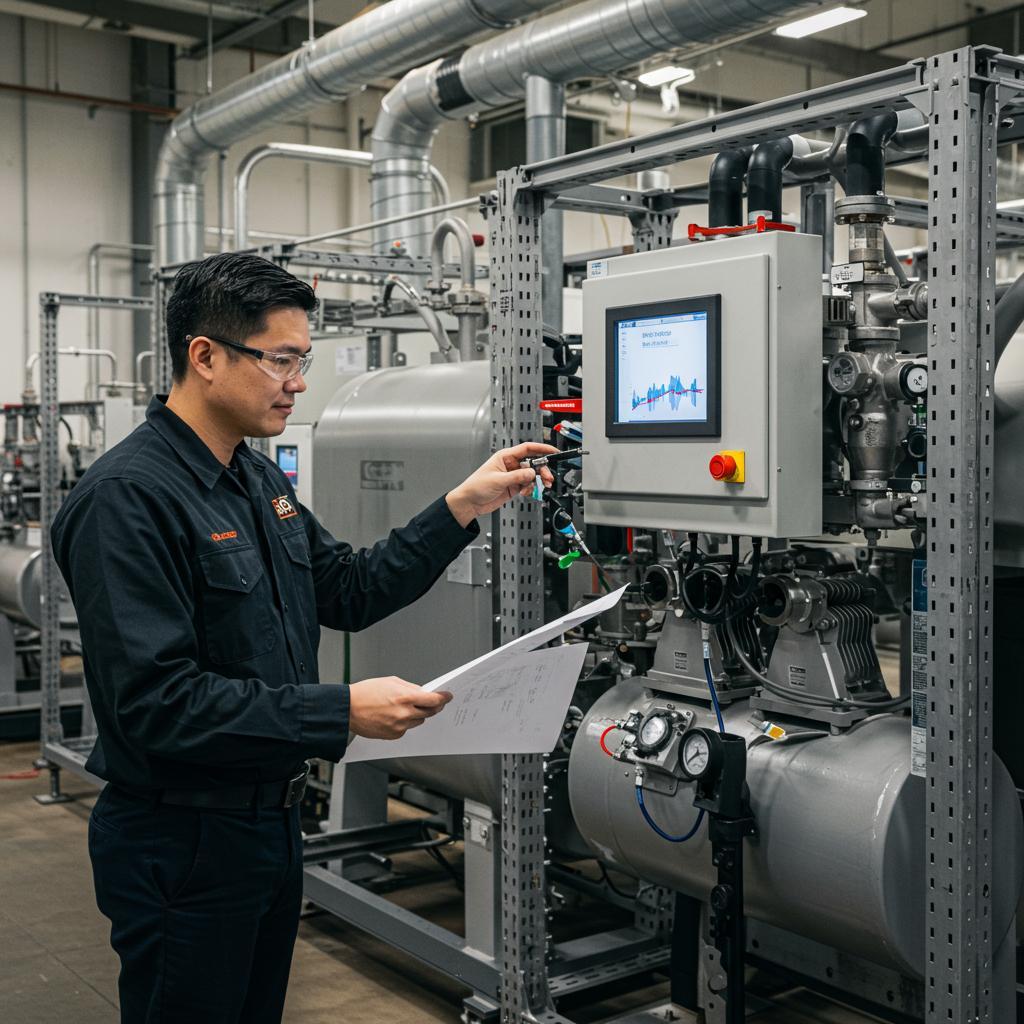
Effective maintenance strategies focus on optimizing the performance of industrial air compressors while ensuring compliance with industry standards. Prioritizing energy efficiency through regular maintenance is crucial for sustainable operations. Regularly assessing air quality is also integral, as it affects production quality and meeting regulatory requirements. Additionally, safety checks are vital to prevent operational hazards that could lead to accidents in the workplace.
Key strategies for maintaining industrial compressed air systems include:
- Energy Optimization: Implement strategies to improve energy efficiency and reduce operational costs.
- Compliance with Air Quality Standards: Regular assessments to ensure that air quality meets regulatory requirements.
- Safety Checks: Conduct routine checks to identify potential hazards and ensure a safe working environment.
These strategies help industrial operators manage their compressed air systems effectively while enhancing overall safety and efficiency.
Common Challenges

Preventative maintenance for industrial compressed air systems can present various challenges. Neglecting to maintain these systems leads to reduced efficiency, resulting in higher operating costs. Environmental factors, such as temperature fluctuations and humidity, can impact performance, necessitating adaptive maintenance strategies. Moreover, effective cost management is essential in maintaining budgets while ensuring reliable operations.
Common challenges in preventative maintenance include:
- Efficiency Loss Due to Neglect: Failing to uphold maintenance routines leads to equipment degradation.
- Environmental Impact on Performance: Changes in climate can affect the functionality and longevity of compressed air systems.
- Balancing Maintenance Costs: Striking a balance between maintenance expenditures and operational needs is essential.
Addressing these challenges involves a commitment to ongoing maintenance efforts and adaptability to environmental conditions.
What Are the Key Benefits of Preventative Maintenance for Compressed Air Systems in the GTA?
Preventative maintenance yields numerous benefits, particularly for industries relying on compressed air systems in the GTA. These benefits enhance overall productivity while contributing to cost savings. Efficient systems lower energy bills, while preventive strategies reduce the likelihood of unexpected repairs. Reliability achieved through consistent maintenance allows businesses to optimize their production capabilities and focus on growth initiatives.
The key benefits include:
- Energy Cost Reductions: Adequately maintained systems operate more efficiently, significantly lowering energy costs.
- Cost Savings: Preventing unexpected repairs helps to manage budgets effectively.
- Increased Reliability: A commitment to maintenance enhances overall productivity and reduces downtime.
These benefits position businesses for success by creating a stable operating environment conducive to growth.
CED Compressed Air specializes in providing tailored maintenance services that align with these benefits. Their services include regular inspections and maintenance programs that prevent inefficiencies and unexpected breakdowns. By prioritizing preventative maintenance, industries can leverage these advantages while relying on local expertise in the GTA.
How Does Preventative Maintenance Reduce Downtime and Repair Costs?
Incorporating a solid preventative maintenance strategy can drastically reduce downtime and repair costs. Early detection of issues prevents major breakdowns, allowing for timely corrective actions. Efficiency optimization achieved through regular service reduces operational costs, enhancing the overall performance of the compressed air systems. Additionally, a consistent maintenance schedule contributes to lower repair costs due to timely interventions.
Specifically, preventative maintenance addresses:
- Early Issue Detection: Regular checks uncover problems before they escalate into significant failures.
- Cost-efficient Operations: Increased efficiency translates to lower operational expenses.
- Reduction in Repair Costs: Timely maintenance reduces the need for expensive repairs and associated downtime.
These measures create a robust foundation for industrial operations to thrive without interruptions related to air compressor failures.
What Energy Savings Can Be Achieved Through Regular Compressor Service?
Regular servicing of compressors provides substantial energy savings, directly impacting operational costs and efficiency. Well-maintained systems operate at optimal performance levels, leading to a reduction in energy consumption. By conducting regular service checks, operators can identify and rectify inefficiencies, ensuring compressors run smoothly.
The energy savings achieved through regular maintenance include:
- Reduced Energy Consumption: Efficient systems consume less energy, leading to significant savings.
- Lower Energy Bills: Consistent performance optimization minimizes overall energy costs.
- Timely Inspections Ensure Efficiency: Regular evaluations prevent performance decline through oversight.
Maintaining compressors not only yields financial savings but also contributes to more sustainable energy use a win for both operational viability and environmental responsibility.
Which Preventative Maintenance Tasks Are Essential for Industrial Air Compressors?
Key preventative maintenance tasks are vital for ensuring the reliability of industrial air compressors. Regularly scheduled actions include:
- Changing Filters: Frequent replacements maintain proper airflow and prevent contaminants from damaging compressor components.
- Lubrication Checks: Ensuring that lubricants remain at optimal levels minimizes friction and wear on moving parts.
- Leak Inspections: Regular checks identify potential air leaks, allowing for timely repairs that prevent energy waste.
These essential tasks create a robust framework for effective maintenance, enabling systems to function efficiently over time.
How Should Compressed Air System Inspections Be Conducted in the GTA?
Conducting thorough inspections of compressed air systems in the GTA requires adherence to both local regulations and best practices specific to the region. Proper inspections should focus on assessing the unique environmental factors that can influence compressor performance.
Key considerations for inspections include:
- Follow Local Regulations: Ensure compliance with GTA-specific industrial standards and regulations.
- Assess Environmental Impacts: Consider local climate conditions that may affect air system performance.
- Train Staff for Effective Inspections: Invest in employee training to enhance inspection effectiveness and operational efficiency.
These tailored approaches ensure that inspections are effective and meet the needs of local industries.
What Are the Best Practices for Detecting and Repairing Air Leaks?
Effectively detecting and repairing air leaks is crucial for maintaining the efficiency of compressed air systems. Regular inspections should incorporate various methods and tools designed for leak detection, emphasizing proactive rather than reactive measures.
Best practices include:
- Regular Inspections to Find Leaks: Schedule consistent evaluations to identify and address potential leaks promptly.
- Using Ultrasonic Detectors for Accuracy: Invest in specialized tools that enhance leak detection capabilities in challenging environments.
- Implementing Repairs Promptly: Prioritize quick fixes to minimize air loss and related costs.
Efficient leak detection and repair safeguard against energy wastage while enhancing system performance.
How Do Local Service Providers in the GTA Support Preventative Compressor Maintenance?
Local service providers play a pivotal role in supporting preventative maintenance strategies for compressed air systems in the GTA. These providers offer tailored services that address specific operational needs, ensuring systems perform at their best.
Key support areas from local service providers include:
- Tailored Preventative Maintenance Programs: Customize maintenance schedules to fit the unique demands of local industries.
- Rapid Response to Service Requests: Ensure timely service that minimizes potential downtime.
- Expertise in Compliance with Local Standards: Help operators navigate the regulatory landscape of the GTA effectively.
Local providers bridge the gap between manufacturers and end-users by bringing specialized knowledge that enhances operational reliability.
What Specialized Services Does CED Compressed Air Offer for Atlas Copco Systems?
CED Compressed Air specializes in maintaining Atlas Copco systems, providing dedicated services that align with manufacturer standards. Their offerings include regular monitoring and servicing, ensuring optimal performance.
Key services include:
- Regular Maintenance Aligned with Manufacturer Standards: Ensures compliance with Atlas Copco specifications.
- Offering OEM Parts for Reliability: Use of original equipment manufacturer parts to maintain system integrity.
- Maintenance Programs Tailored to Local Needs: Customizing plans to meet the operational demands of the GTA market.
These specialized services enhance operational certainty, ensuring that equipment remains efficient and reliable.
How Are Maintenance Plans Tailored for GTA and Durham Region Industrial Clients?
Tailoring maintenance plans for facilities in the GTA and Durham Region requires an understanding of local industries’ unique conditions. Effective maintenance programs consider equipment usage patterns and compliance with regional standards.
Considerations for tailoring plans include:
- Understanding Local Industrial Environments: Assess the specific needs and conditions faced by local businesses.
- Customized Schedules Based on Equipment Usage: Develop maintenance timelines reflecting actual operational demands.
- Integration of Regional Compliance Standards: Ensure all practices align with local regulations and industry requirements.
By offering customized solutions, service providers can significantly improve maintenance efficiency and system performance.
What Are the Costs and Return on Investment for Preventative Maintenance Plans in Ontario?
Analyzing the costs associated with preventative maintenance plans reveals significant potential savings for industrial operations. Investing in regular maintenance leads to lower long-term costs by preventing major repairs and lost production.
The cost-effectiveness of preventative maintenance is highlighted through:
- Long-term Savings: Initial investment in maintenance often results in substantial cost reduction over time.
- Lower Energy Costs Through Preventative Strategies: Efficient systems yield reduced ongoing energy expenditures.
- Avoidance of Compliance Fines: Ensuring regulations are met helps industries avoid costly penalties.
Understanding these financial implications assists operators in making informed decisions regarding maintenance investments.
How Does Regular Maintenance Impact Equipment Lifespan and Operational Efficiency?
Regular maintenance directly correlates with the effective lifespan and operational efficiency of industrial air compressors. Consistent servicing helps to prolong equipment life, ultimately enhancing overall productivity within operations.
Key impacts of regular maintenance include:
- Prolonged Equipment Life: Routine checks and repairs mitigate wear and extend equipment usability.
- Efficiency Correlation with Maintenance Frequency: Increased maintenance frequency enhances system efficiency and reliability.
- Cost-benefit of Proactive Maintenance: Investment in preventative strategies yields high returns over time through reduced repairs and downtime.
These insights underscore the value of regular maintenance as a critical investment in operational success.
What Should Industrial Operators Expect in Terms of Maintenance Pricing and Benefits?
When considering maintenance plans, industrial operators should anticipate a range of pricing structures reflective of the services provided. Understanding the financial commitment involved is crucial to budgeting effectively.
Common expectations include:
- Typical Costs for Maintenance Plans: Pricing often varies depending on the services included and system complexity.
- Expected ROI Calculations: Operators can expect a favorable return on investment through reduced downtime and repair needs.
- Long-term Benefits Analysis: Overall reductions in operational costs and improvements in system efficiency ultimately justify maintenance expenses.
With clear insights into pricing and anticipated benefits, operators can confidently invest in effective maintenance strategies.