In the quest for operational efficiency, businesses often overlook their compressed air systems, which can be significant contributors to energy costs. Energy audits and compressor room optimization are vital strategies that help identify inefficiencies and maximize performance. This article delves into the essential components of energy audits and the optimization of compressor rooms, helping industries in Eastern Ontario enhance their energy efficiency and reduce operational expenses. By addressing common challenges in compressed air systems, businesses can not only save costs but also improve their environmental footprint. We will explore conducting professional energy audits, leak repairs, pressure optimization, equipment upgrades, control strategies, and more.
Conduct Professional Energy Audits
Conducting professional energy audits is a crucial step in enhancing the efficiency of compressed air systems. These audits systematically identify inefficiencies and quantify energy consumption metrics, providing a pathway for actionable insights. By employing experienced professionals, businesses can effectively assess their systems and highlight areas for improvement, potentially leading to significant cost savings and improved operational efficiency.
What Are the Key Components of a Compressed Air System Audit?
A comprehensive compressed air audit evaluates several key components, including airflow measurements, pressure levels, energy consumption patterns, and equipment conditions. It typically involves the use of specialized tools and techniques, such as flow meters and thermal cameras, to accurately gauge system performance. These evaluations pinpoint inefficiencies and help develop a tailored optimization strategy that aligns with specific business needs.
How Do Energy Audits Enhance Industrial Compressed Air System Efficiency?
Energy audits enhance industrial compressed air system efficiency by identifying inefficiencies that may be leading to excessive energy costs. For example, simply discovering and fixing leaks can lead to substantial energy savings, often cited as reducing costs by 20-30%. Audits also promote better operational practices, helping businesses adopt more energy-efficient technologies and strategies.
Leak Repair

Leak detection and repair play a critical role in maintaining the efficiency of compressed air systems. Studies suggest that leaks can account for up to 30% of energy costs in these systems, making regular maintenance essential for efficiency. Addressing leaks not only helps in conserving energy but also ensures the reliability of system performance, ultimately contributing to cost savings and operational continuity.
How Does Leak Detection Improve Energy Savings in Compressor Systems?
Effective leak detection improves energy savings in compressor systems through timely identification and resolution of leaks. Advanced techniques, such as ultrasonic leak detection, allow for accurate identification of leak sources, enabling targeted repairs. Businesses can implement regular leak assessments to keep their systems functioning efficiently and avoid the costly consequences of undetected leaks.
Pressure Optimization
Optimizing system pressure is vital for improving energy efficiency in compressed air systems. By adjusting pressure settings to the minimum requirements necessary for operations, businesses can significantly reduce energy consumption. Regular audits help determine optimal pressure levels tailored to specific applications, which is critical for enhancing overall system performance.
What Are Best Practices for Compressor Room Optimization in Eastern Ontario?
To ensure the efficient operation of compressor rooms, several best practices can be adopted:
- Space Utilization: Carefully planning the layout to enable proper equipment access and maintenance.
- Maintenance Practices: Regular inspections, cleaning, and parts replacement to prevent decline in performance.
- Control Systems: Implementing smart control systems to optimize compressor operation based on demand.
Equipment Upgrades
Investing in energy-efficient compressors can substantially improve the performance of compressed air systems. Upgrading to state-of-the-art equipment, such as those with variable speed drives, allows for greater efficiency as they adjust their output according to system demand. This not only results in lower energy consumption but also minimizes wear and tear on equipment.
Which Industry Standards Guide Compressor Room Design?
Adhering to industry standards, such as the Compressed Air and Gas Institute (CAGI) guidelines, is essential for effective compressor room design. These standards provide benchmarks for performance, safety, and operational efficiency. They emphasize the importance of proper ventilation, accessibility, and acoustics considerations, which are vital for optimal compressor operation.
Implement Control Strategies
Control systems enable better efficiency in compressor operations through intelligent management of air supply based on real-time demand. Strategies such as smart sequencing can significantly reduce runtime and wear on system components. Additionally, variable speed drives lower peak power usage by adjusting compressor output based on air consumption patterns, ultimately enhancing energy efficiency.
Regular Maintenance
Establishing a routine maintenance schedule is crucial for the reliability of compressed air systems. Maintenance practices help prevent unexpected failures and extend equipment lifespan. Regular checks on components such as filters, lubricators, and dryers ensure that the system operates at peak efficiency, reducing potential downtime and maintenance costs.
What Maintenance Practices Complement Emergency Services for Reliability?
Emergency services can provide swift solutions during unexpected breakdowns, but proactive maintenance is essential for long term reliability. Businesses should implement:
- Scheduled Inspections: Regularly check all system components to identify issues before they result in failures.
- Inventory Management: Maintain a stock of critical spare parts to expedite repairs.
- Employee Training: Ensure that staff is knowledgeable about operational protocols and maintenance practices.
Heat Recovery
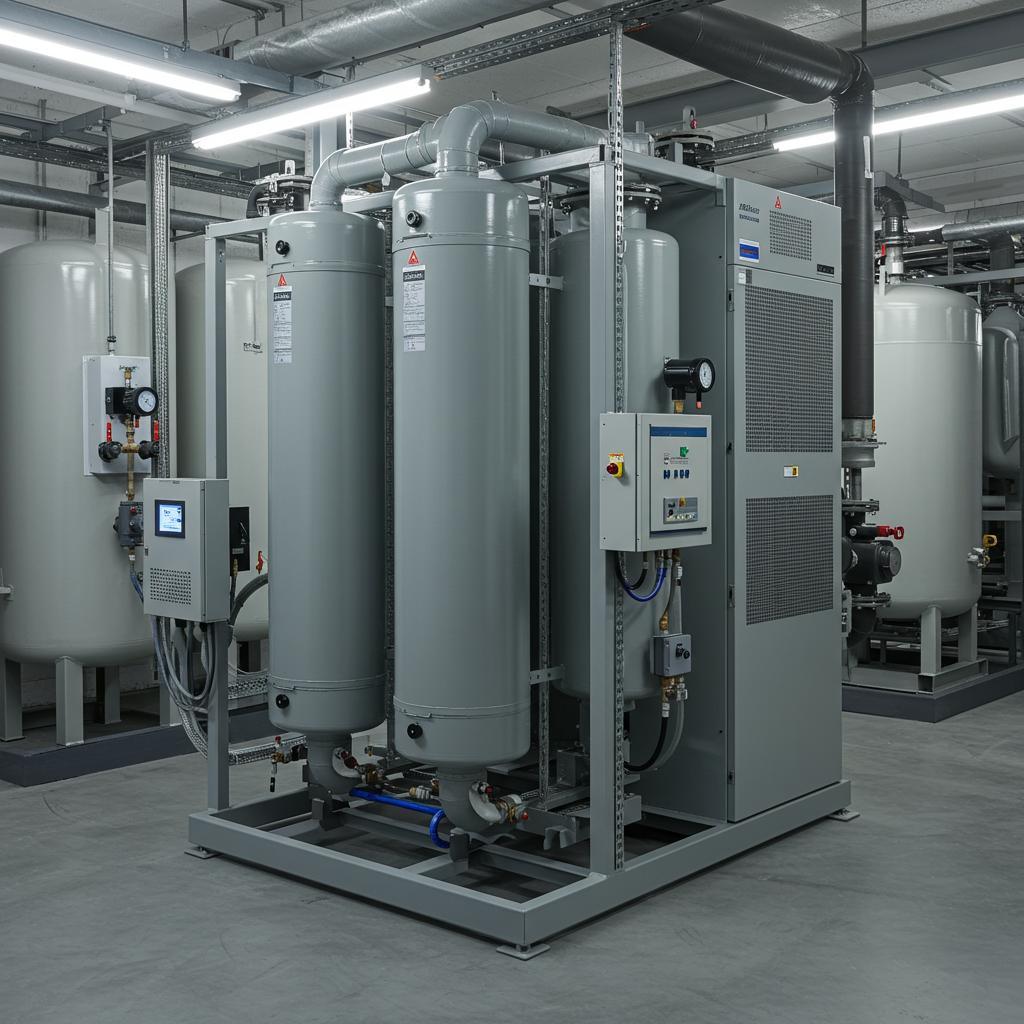
Utilizing heat recovery systems is another effective strategy for improving energy efficiency. Compressors generate significant amounts of waste heat, which can be captured and redirected for space heating or process heating applications. This practice reduces the overall energy demand from other heating sources, translating into cost savings.
Training and Awareness
Educating staff on energy efficiency is essential for maximizing savings and optimizing operations. Training programs should cover best practices for compressed air system management, leak detection techniques, and the importance of regular maintenance. Increased awareness fosters a culture of efficiency, encouraging proactive participation from all employees.
What Are the Expected Cost Savings and ROI From Optimizing Compressed Air Systems?
Optimizing compressed air systems can yield substantial financial benefits. Potential energy savings from implementing best practices and technology upgrades often exceed initial investment costs, with ROI typically realized within 1-3 years. For businesses, this translates to reduced energy bills and improved overall productivity.
How Do Energy Audits Translate Into Measurable Operational Savings?
Energy audits lead to measurable operational savings by identifying unnecessary energy expenditures. Businesses often discover opportunities for reduction that may not be apparent without thorough analysis. For instance, a simple audit might reveal inefficient equipment or excessive pressure settings, leading to targeted corrections that greatly reduce costs.
Which Local Incentives Support Energy Efficiency Improvements in Eastern Ontario?
In Eastern Ontario, various local incentives are available for businesses that invest in energy efficiency measures. Programs may include rebates for upgrading to energy efficient equipment, grants for conducting energy audits, or tax incentives for implementing sustainability measures. Engaging with local utilities or energy consultants can provide more insights into accessing these benefits.
What Emergency Compressor Services Are Available in Ottawa to Ensure Continuous Operations?
Emergency compressor services are critical for maintaining operational continuity. Available services typically include 24/7 emergency repairs, scheduled maintenance agreements, and equipment assessments. Responsiveness is key, as typical response times for emergencies can range from a few hours to a day, ensuring minimal downtime for businesses.
How Quickly Can Emergency Repairs Minimize Downtime?
Emergency repairs are essential in minimizing downtime caused by unexpected system failures. Quick response teams can often arrive on-site within hours, implement necessary repairs, and restore compressor functionality. This rapid action not only prevents production losses but also preserves client relationships by maintaining service commitments and operational reliability.
What Are the Benefits of Proper Ventilation and Layout in Compressor Efficiency?
Proper ventilation and layout in compressor rooms significantly impact their operational efficiency. Adequate airflow prevents overheating and minimizes energy consumption, while a well-organized work environment allows for easier maintenance and more efficient operational practices. An investment in thoughtful design can enhance performance, reduce operational issues, and extend equipment life.
Different optimization strategies deliver distinct benefits through specific mechanisms.
| Strategy | Mechanism | Benefit | Impact Level |
|---|---|---|---|
| Energy Audits | Systematic assessment | Identification of inefficiencies | High |
| Leak Repairs | Targeted fixes | Reduced energy losses | High |
| Equipment Upgrades | Advanced tech implementation | Improved system efficiency | Medium |
| Regular Maintenance | Scheduled check-ups | Enhanced reliability and performance | High |
This comparison outlines how different approaches towards energy efficiency yield varied benefits, emphasizing the importance of a holistic strategy for optimizing compressed air systems.