Emergency Air Compressor Repair Services Benefits
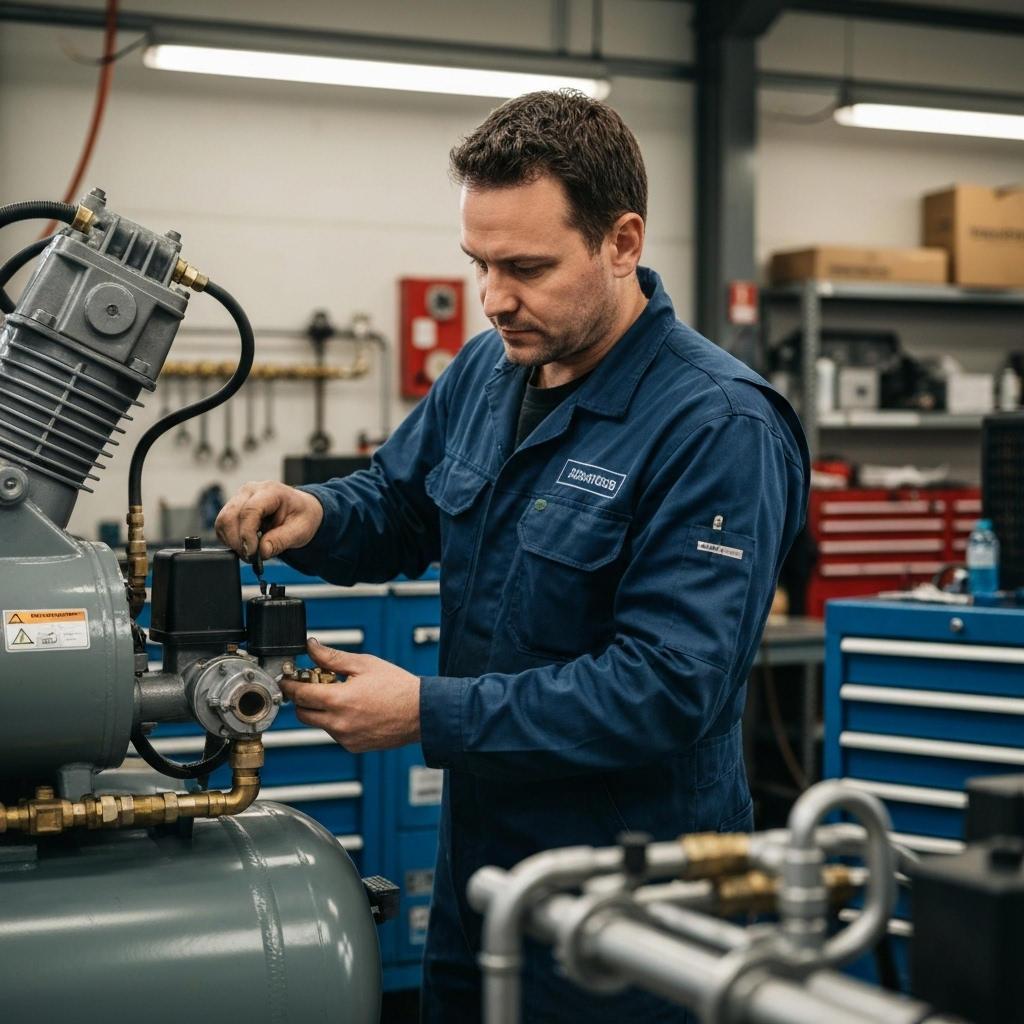
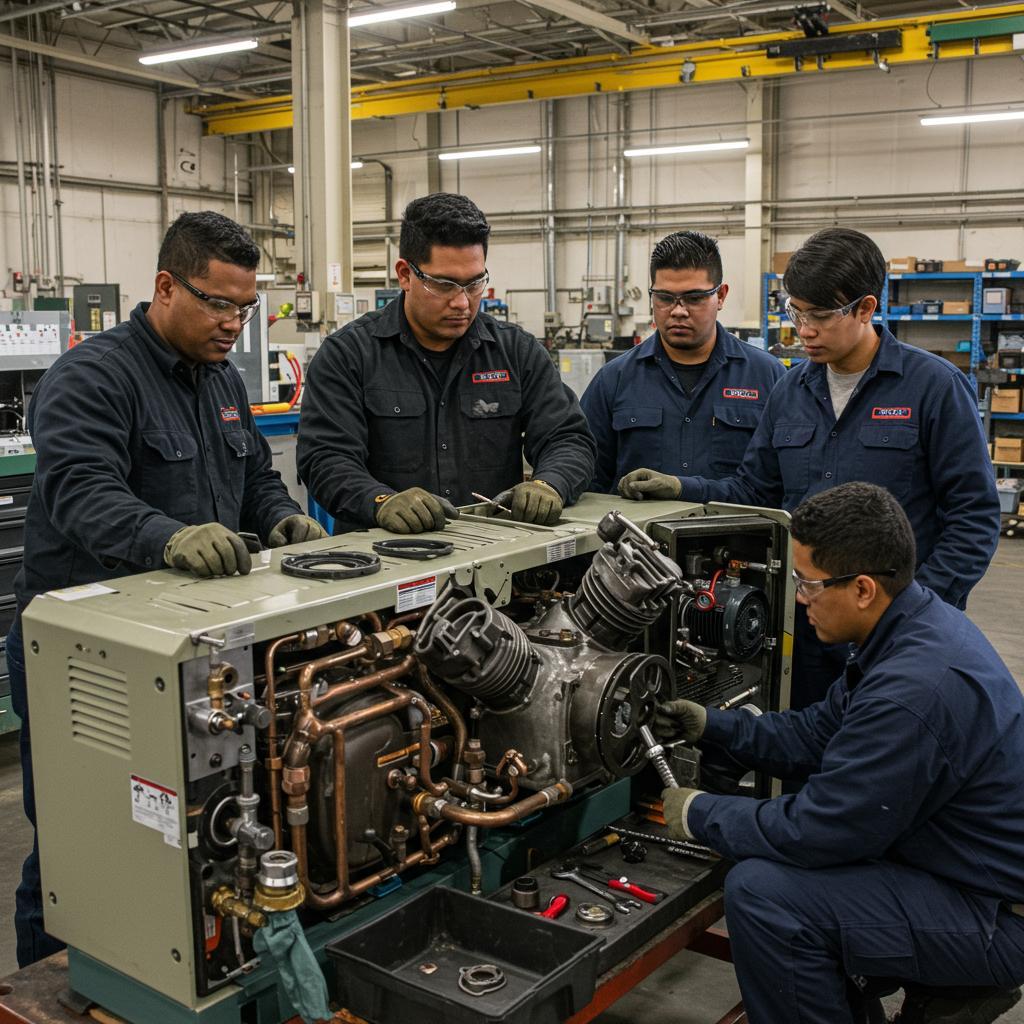
Emergency air compressor repair services deliver 24-hour technician dispatch, restoring compressed air systems fast and minimizing costly downtime. CED Compressed Air Inc. addresses pneumatic tool failures, sprayer malfunctions, and clean process air interruptions before they halt production. Facility managers across Ontario gain rapid diagnostics, reduced revenue loss, and dependable support protecting manufacturing schedules from unplanned compressor breakdowns. Key Takeaways Emergency repair service prevents unplanned downtime that reduces production, efficiency, and revenue. Professional technicians handle complex compressor repairs that in-house staff lack experience to manage. Preventative maintenance lets you schedule non-functional periods, ensuring consistent operational performance. CED Compressed Air Inc. serves Ontario manufacturers with 24-hour emergency repair availability since 1986. What Happens During an Emergency Repair Call? A breakdown call sets off an immediate response sequence, not a slow queue-and-wait process. A sudden compressor failure stops pneumatic tools, sprayers, and clean process air within minutes, spreading unplanned downtime across an entire facility floor. Every piece of equipment tied to that air supply goes idle until the problem gets fixed. CED’s Emergency Air Compressor Repair Services exist for exactly this scenario. The company’s coverage spans routine maintenance through round-the-clock emergency response. Facility managers never face a gap between scheduled service and a crisis at 2 a.m. An expert technical team stands ready to diagnose the failure. Restore operations without the guesswork that in-house staff often can’t provide. Why can’t in-house maintenance handle every compressor repair? Plant maintenance teams juggle dozens of responsibilities, leaving little time for preventive compressor care. Complex repairs demand specialized experience that many in-house staff simply haven’t built. That gap is why outside technicians become necessary rather than optional. What technical expertise arrives with the technician? CED’s team trains continuously on current Atlas Copco technologies across compressors, vacuum pumps, and related accessories. This ongoing training means the technician on-site understands the specific system failing, not a generic approximation. Facility managers get: Immediate dispatch and diagnosis Manufacturer-current technical knowledge A direct path back to full operation Why Does Fast Response Protect Your Bottom Line? Speed determines whether a compressed air failure stays a minor interruption or becomes a costly shutdown. Downtime ranks among the biggest obstacles to steady plant productivity. A stalled compressor halts pneumatic tools, sprayers, and process air simultaneously. Every idle minute compounds lost output, missed shipments, and strained customer commitments. A rapid service call changes that equation. Once a facility manager places the call, a dispatched technician moves to address the immediate problem and restore system operation as quickly as possible. That immediate action limits how far a single failure spreads across a production line. What makes emergency repair support effective under pressure? Effectiveness comes down to parts and equipment access. Emergency air compressor repair services work only when technicians can source the correct components without delay. CED’s status as a platinum distributor for Atlas Copco supports that speed, giving crews direct access to trusted equipment and manufacturer-backed technical expertise. CED also stocks a wide range of high-quality air compressor parts. Accessories from brands including Atlas Copco, reducing the wait for replacement components during a repair. Can production continue while a compressor is being repaired? Often, yes. CED offers air compressor rentals across Ontario, giving facilities a temporary bridge while the primary unit undergoes repair. This option keeps production lines running instead of sitting idle for the full repair window. Standard call-to-action for service inquiries. Should You Repair, Rebuild, or Replace Your Compressor? Three factors determine the answer: component condition, repair cost relative to replacement cost, and how the compressor fits long-term production plans. Compressor parts wear down gradually, and that wear eventually causes reduced output or complete system failure. Plant managers who catch the warning signs early have more options and lower costs than those forced into an emergency decision. Rebuilding or repairing existing components often costs less and lasts longer than starting over with new equipment. Full replacement makes sense in specific situations, but it isn’t always the most sustainable path forward. CED Compressed Air Inc. offers sales and service of air compressors, dryers, related equipment, and systems analysis, giving facility managers a clear technical basis for the decision rather than a guess. How does a technician decide between repair and replacement? The choice usually comes down to a systems analysis: comparing the cost of restoring worn parts against the cost, downtime, and long-term efficiency gains of new equipment. Older compressors with recurring failures may cost more to keep patching than to replace outright. When replacement is the right call, CED provides professional air compressor installation services to get the new system running with minimal disruption to production schedules. Rebuild or repair when components show wear but the core system remains sound Replace when failures recur, efficiency drops, or parts availability becomes limited Schedule preventive maintenance regularly to reduce wear-related damage and cut the likelihood of future emergency calls Standard call-to-action for service inquiries. FAQ Why is 24-hour emergency repair service important for facilities? A sudden compressor failure halts pneumatic tools, sprayers, and process air within minutes, spreading downtime across the facility. Immediate technician dispatch restores operations fast, limiting production and revenue loss. Can in-house maintenance teams handle complex compressor repairs? In-house staff juggle many responsibilities and often lack specialized experience for complex repairs. This gap makes outside technicians, like CED’s trained team, necessary for reliable emergency service. What technical expertise do CED technicians bring to an emergency call? Technicians train continuously on current Atlas Copco technologies across compressors, vacuum pumps, and related accessories. As a platinum Atlas Copco distributor, CED sources correct components quickly for effective repairs. Conclusion In closing, emergency air compressor repair service stands as a critical investment in operational continuity and business resilience. When system failures threaten production schedules and revenue, rapid professional intervention minimizes downtime and prevents cascading equipment damage. By partnering with a service provider equipped with technical expertise and responsive support, you secure the reliability your operations demand. Proactive emergency preparedness transforms potential crises into manageable disruptions, protecting both your equipment and your bottom line.
What to Expect From Local Air Compressor Servicing
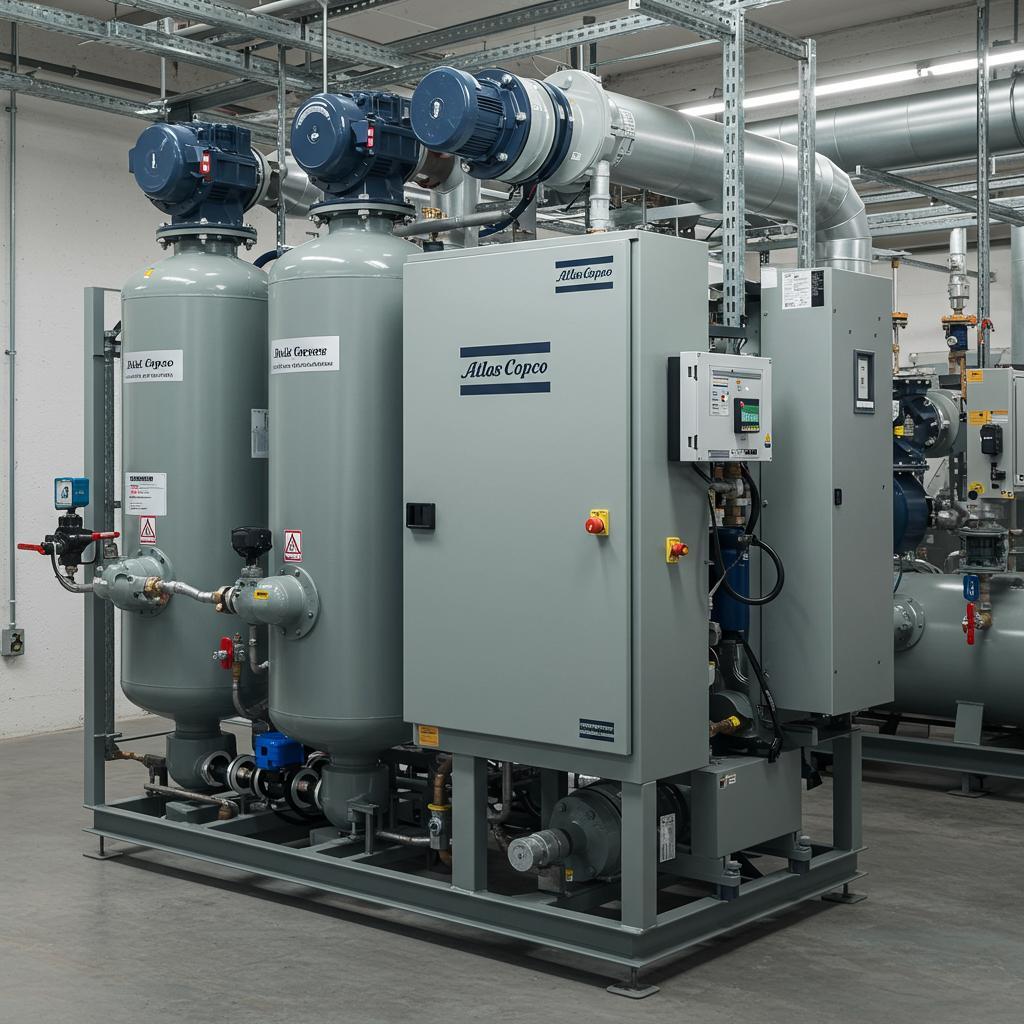
Quality local air compressor maintenance delivers scheduled inspections, timely filter and lubricant changes, and documented performance readings instead of guesswork. CED Compressed Air Inc. provides these services across Oshawa and Eastern Ontario. An Atlas Copco platinum distributor, combining trained technicians with vibration analysis and energy audits to reduce downtime and extend equipment life for industrial facilities. Key Takeaways Regular preventive maintenance prevents minor issues from escalating into costly major compressor problems. Professional technicians identify performance issues through data readings rather than assumptions or guesswork. Routine inspections of key components extend equipment lifespan and optimize operational efficiency significantly. CED Compressed Air Inc. provides comprehensive maintenance services backed by decades of expertise. What Signs Mean Your Compressor Needs Service? Performance data tells the real story of a compressor’s health, not gut instinct on the plant floor. Facility managers who track actual readings pressure output, temperature, cycle times — catch developing problems long before a technician hears a strange noise. Guesswork misses what gauges reveal early. Ignoring the warning signs carries a real cost. Small issues left unaddressed escalate into overtime shifts, unplanned downtime, and safety incidents that could have been avoided with earlier attention. Many facilities still lean on a “run it till it dies” mindset, pushing equipment past its limits until failure forces a shutdown. That approach trades a manageable repair for an expensive emergency. The good news: compressors don’t demand constant attention to stay reliable. They require only minimal, consistent upkeep to deliver years of dependable operation, provided facilities follow a few core practices. How often should moisture be drained from a compressor tank? Receiver tanks accumulate condensate constantly, and that moisture needs frequent removal to prevent internal corrosion and downstream contamination. Facilities that skip this step risk water reaching pneumatic tools and production lines. What’s the fastest way to catch early compressor problems? Reliable local air compressor servicing relies on documented readings compared against baseline performance, not memory or assumption. Technicians who log data over time spot drift immediately: Rising discharge temperature Inconsistent pressure output Longer-than-normal cycle times Excess condensate in receiver tanks What Happens During Professional Local Servicing? A professional service call covers far more than a quick inspection. Technicians arrive prepared to diagnose, repair, and optimize compressed air systems so plant operations keep running without unplanned downtime. Facility managers in Oshawa and Eastern Ontario rely on this depth of service because in-house maintenance teams often lack the time for routine preventive work, let alone the specialized experience complex repairs demand. Local Air Compressor Servicing typically includes several coordinated components: Sales and service of compressors, dryers, and related equipment Full systems analysis to identify inefficiencies before they cause failures Professional installation for new or replacement units, ensuring correct setup from day one Access to factory-grade parts and technical expertise through a platinum Atlas Copco distributor relationship Why does experience matter more than a basic repair job? Experienced technicians do more than fix what’s broken; they keep compressors reliable for years, protecting manufacturing output from repeated breakdowns. A rushed or generic repair might solve today’s problem while leaving underlying issues untouched. What should a facility expect after the service call? Expect a system built for longevity, not just a temporary fix. Proper installation and systems analysis reduce the odds of repeat failures. Facilities considering a service partner can use CED’s standard call-to-action for service inquiries to schedule an assessment. Why Does Preventive Maintenance Protect Uptime? Fixed operating-hour intervals, not guesswork, drive a properly structured maintenance schedule. Each service interval targets specific mechanical stress points before they cause failure. Facility managers in Oshawa and across Eastern Ontario rely on this predictable rhythm to keep production lines running without interruption. Local air compressor servicing built on this model replaces wear components proactively. Filters, separators, lubricants, and other wear items get swapped out on schedule, not after a breakdown forces the issue. This shift from reactive repair to planned replacement is what separates a maintenance program from simple firefighting. What Does a Preventive Maintenance Visit Actually Cover? A technician working to current OEM specifications and Engineering Change Bulletins services equipment to factory-defined standards. That means every adjustment, part swap, and inspection matches manufacturer benchmarks rather than a generic checklist. As an authorized Atlas Copco distributor, CED Compressed Air Inc. applies these standards on every visit. Genuine spare parts matter here too. Each component inside a compressor plays a role in overall performance, and using factory-specified parts preserves reliability, service life, and energy efficiency. Why Do Structured PM Programs Reduce Downtime? Unplanned shutdowns halt production and drain budgets. Structured preventive maintenance programs are designed specifically to eliminate that downtime, cut energy waste, and extend equipment lifespan across the entire compressed air system. Standard call-to-action for service inquiries. FAQ What does quality local air compressor maintenance include? It includes scheduled inspections, timely filter and lubricant changes, and documented performance readings, combined with vibration analysis and energy audits to reduce downtime and extend equipment life. How do technicians catch compressor problems early? Technicians log data over time and compare it against baseline performance, watching for rising discharge temperature, inconsistent pressure output, longer cycle times, and excess condensate in receiver tanks. Who provides this maintenance service in Oshawa and Eastern Ontario? CED Compressed Air Inc., established in 1986 and a platinum Atlas Copco distributor, offers sales and service of compressors, dryers, related equipment, and systems analysis across the region. Conclusion In closing, quality local air compressor maintenance delivers operational reliability, energy efficiency, and extended equipment lifespan outcomes that directly protect your bottom line. A trusted maintenance partner combines technical expertise with responsive service to keep your compressed air systems performing at peak capacity. By prioritizing preventative care and system optimization, you eliminate costly downtime and maximize productivity across your operations. The investment in professional maintenance today translates to dependable performance and measurable savings tomorrow.
Compressed Air Systems and Equipment
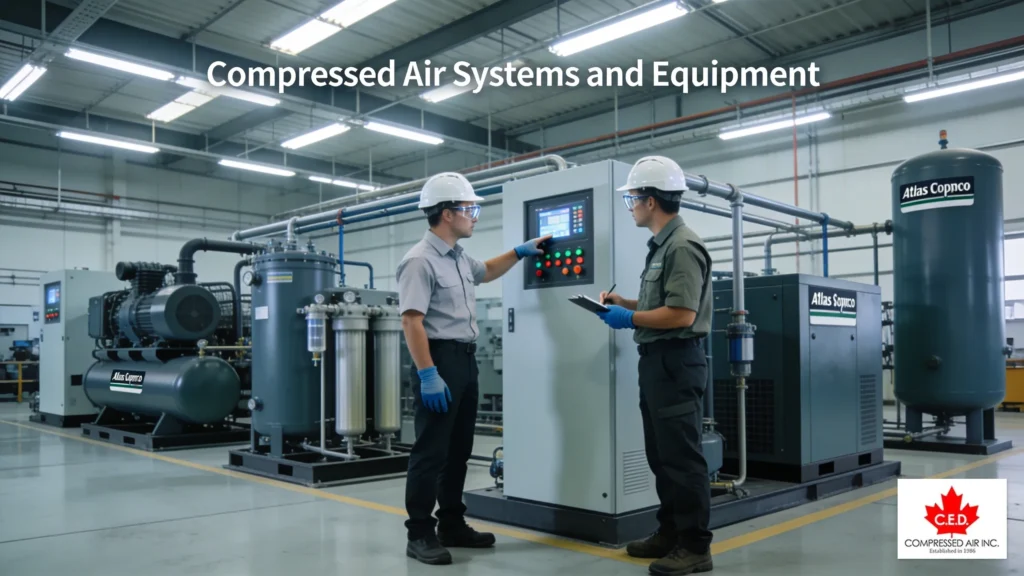
A compressed air system audit checklist covers pressure readings, leak detection, dryer performance, filter condition. Compressor efficiency across your entire system. CED Compressed Air Inc., established in 1986. A platinum Atlas Copco distributor, performs thorough systems analysis to identify inefficiencies, reduce energy waste. Ensure your compressed air network operates at peak performance. A compressed air system audit checklist covers key components including compressors, dryers, filters, storage tanks, leak detection, and energy efficiency. Critical given that air compressors account for roughly 10% of all electricity consumed in American industry, with up to 50% of generated air wasted through leaks, pressure drops, and equipment inefficiency. A compressed air system audit checklist covers leak detection, pressure drop analysis, compressor inspection, dryer performance, and energy efficiency review. Compressed air is among the most expensive industrial utilities, with facilities wasting up to 50% of every cubic foot generated. CED Compressed Air Inc. provides systems analysis services to identify and eliminate those losses. Key Takeaways Compressed air is among the most expensive utilities in industrial facilities nationwide. Most plants waste up to 50% of every cubic foot of compressed air generated. Air compressors consume approximately 10% of all electricity used across American industrial operations. CED Compressed Air Inc. provides professional system analysis and audit services from Oshawa, Ontario. What Do You Need Before Starting the Audit? Preparation determines the quality of any compressed air audit checklist. Facilities that skip prerequisite steps produce incomplete data and incomplete data leads to missed inefficiencies that cost real money. What Information Should Be Gathered Before the Audit Begins? Three foundational inputs must be in place before any structured efficiency review can proceed: Identify all main components. Document every compressor, dryer, filter, and storage tank in the system. Missing a single component creates blind spots in the final assessment. Review the system’s age and maintenance history. Older equipment with irregular service records behaves differently under load. This history shapes every diagnostic decision that follows. Determine the system’s capacity and air demand profile. Capacity data anchors the entire system assessment without it, auditors cannot measure the gap between what the system produces and what the facility actually needs. Can a Facility Prepare for an Audit Without Outside Help? Many facilities lack the internal resources to compile this data accurately. CED Compressed Air Inc. offers systems analysis as part of its core service offering, giving facilities a structured starting point before a formal audit begins. Engaging that support early reduces preparation time and improves the reliability of audit findings. How Do You Execute Each Audit Zone Step? A structured audit checklist divides compressed air system evaluation into five distinct zones: Compressor Room, Air Treatment, Distribution Network, End-Use Points, and Energy Metering. Executing each zone in sequence prevents gaps that cause missed inefficiencies and unplanned downtime. Follow these steps in order: Compressor Room — Measure inlet pressure, outlet pressure, and operating temperature. Compare every reading against the manufacturer’s specifications to confirm the compressor performs within its rated parameters. Air Treatment — Inspect air dryers and filtration components. Moisture that bypasses dryers degrades equipment performance and accelerates internal corrosion, making this zone a high-priority stop on any efficiency review. Distribution Network — Conduct a leak detection sweep across all fittings, joints, and pipe runs. Undetected leaks can cost a facility significantly over the course of a year — and most plants carry multiple such leaks simultaneously. End-Use Points — Verify that tools, actuators, and process equipment operate at the correct pressure. Oversupply wastes energy; undersupply disrupts production. Energy Metering — Record flow rates, power draw, and run hours to establish a baseline for ongoing system assessment and future comparisons. What Should Technicians Check During the Air Treatment Zone? Technicians must confirm that air dryers are sized correctly for the system’s demand profile. Moisture-related failures reduce equipment efficiency and shorten service life. dryer condition and dew-point performance require direct measurement, not visual inspection alone. How Does CED Compressed Air Support a Full System Audit? CED Compressed Air’s service portfolio includes preventative maintenance, air energy audits. Offsite monitoring capabilities that map directly onto each of the five audit zones. Clients working with CED gain access to trained technicians who execute every zone step with calibrated instruments and documented findings. What Common Mistakes Undermine Your Audit Results? Skipping a structured audit checklist is the single most damaging error facilities make. Most industrial plants waste up to 50% of every cubic foot of compressed air generated. A loss that a repeatable, documented framework directly prevents. The most common audit errors fall into three categories: Omitting baseline measurements before the efficiency review begins, leaving no reference point for improvement. Ignoring leak detection during the system assessment, which allows pressure drops and equipment inefficiency to persist undetected. Failing to document maintenance history, making it impossible to identify recurring failure patterns. Why Does an Incomplete Efficiency Review Cost So Much? Compressed air accounts for roughly 10% of all electricity consumed in industrial facilities. Half of that energy disappears through leaks, pressure drops, and inefficient equipment losses that an incomplete review never captures. How Does Experience Reduce Audit Errors? CED Compressed Air has delivered compressed air solutions and systems analysis across Ontario since 1986. That depth of field experience helps facilities avoid the procedural gaps that turn a promising audit into an inconclusive report. A comprehensive compressed air system audit checklist serves as your foundation for operational excellence and cost efficiency. By systematically evaluating equipment performance, energy consumption. Maintenance protocols, you identify opportunities to optimize your system’s reliability and reduce unnecessary expenses. CED Compressed Air Inc. brings three decades of industry expertise to guide you through this critical assessment, ensuring your compressed air infrastructure supports your business objectives while delivering the performance your operations demand. FAQ What percentage of compressed air is typically wasted in industrial facilities? Facilities waste up to 50% of every cubic foot of compressed air generated through leaks, pressure drops, and equipment inefficiency. What components does a compressed air system audit checklist cover? A compressed air system audit
The Ultimate Guide to Preventative Maintenance for Industrial Compressed Air Systems in the GTA: Ensuring Reliability and Efficiency
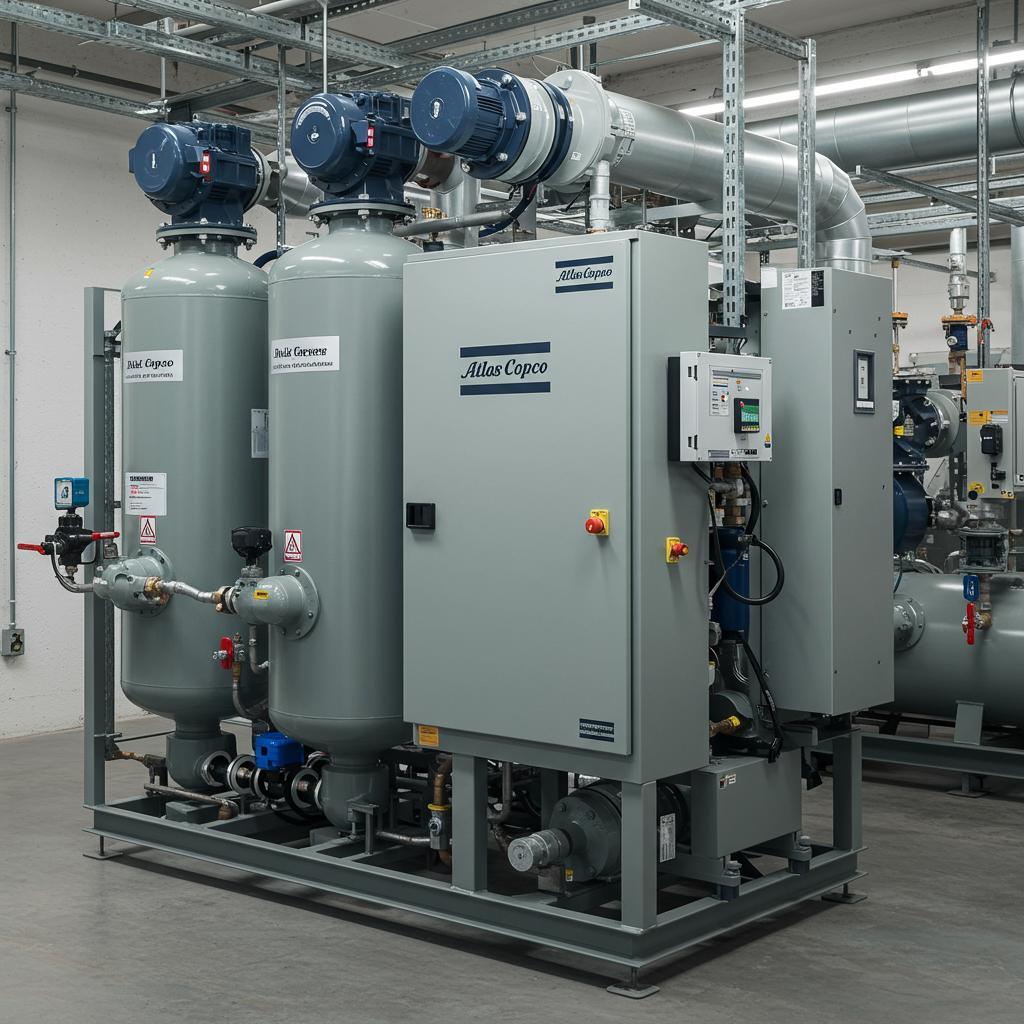
Preventative maintenance for industrial compressed air systems is essential to maximize efficiency and minimize downtime. This comprehensive guide explores the best practices, key strategies, and benefits of implementing a preventative maintenance program tailored specifically for the Greater Toronto Area (GTA). Industrial operations often face challenges regarding air system reliability, requiring effective solutions to ensure continuous productivity. By understanding the mechanisms of preventative maintenance, operators can protect their investments and enhance operational efficiency. This guide will cover best practices for maintenance, key strategies for tackling common challenges, and how localized service providers contribute to effective solutions, particularly in the context of CED Compressed Air’s services. Best Practices for Preventative Maintenance Implementing effective preventative maintenance practices is critical for the longevity and efficiency of industrial compressed air systems. Regular inspections play a central role, providing early detection of potential issues before they escalate into costly repairs. Scheduled maintenance significantly reduces unexpected failures, thus ensuring that systems operate without interruption. Utilizing quality materials during maintenance such as high-grade filters and replacement components prevents leaks and maintains system performance. To ensure the utmost reliability, maintenance programs should include the following essential practices: Routine System Inspections: Conduct regular checks to identify wear, leaks, and corrosion. Scheduled Maintenance Activities: Establish a calendar for maintenance tasks to avoid operational disruptions. Use of Quality Parts: Invest in trusted manufacturers to enhance system longevity and reliability. These best practices foster proactive system management, allowing businesses to minimize downtime and associated costs. Key Maintenance Strategies Effective maintenance strategies focus on optimizing the performance of industrial air compressors while ensuring compliance with industry standards. Prioritizing energy efficiency through regular maintenance is crucial for sustainable operations. Regularly assessing air quality is also integral, as it affects production quality and meeting regulatory requirements. Additionally, safety checks are vital to prevent operational hazards that could lead to accidents in the workplace. Key strategies for maintaining industrial compressed air systems include: Energy Optimization: Implement strategies to improve energy efficiency and reduce operational costs. Compliance with Air Quality Standards: Regular assessments to ensure that air quality meets regulatory requirements. Safety Checks: Conduct routine checks to identify potential hazards and ensure a safe working environment. These strategies help industrial operators manage their compressed air systems effectively while enhancing overall safety and efficiency. Common Challenges Preventative maintenance for industrial compressed air systems can present various challenges. Neglecting to maintain these systems leads to reduced efficiency, resulting in higher operating costs. Environmental factors, such as temperature fluctuations and humidity, can impact performance, necessitating adaptive maintenance strategies. Moreover, effective cost management is essential in maintaining budgets while ensuring reliable operations. Common challenges in preventative maintenance include: Efficiency Loss Due to Neglect: Failing to uphold maintenance routines leads to equipment degradation. Environmental Impact on Performance: Changes in climate can affect the functionality and longevity of compressed air systems. Balancing Maintenance Costs: Striking a balance between maintenance expenditures and operational needs is essential. Addressing these challenges involves a commitment to ongoing maintenance efforts and adaptability to environmental conditions. What Are the Key Benefits of Preventative Maintenance for Compressed Air Systems in the GTA? Preventative maintenance yields numerous benefits, particularly for industries relying on compressed air systems in the GTA. These benefits enhance overall productivity while contributing to cost savings. Efficient systems lower energy bills, while preventive strategies reduce the likelihood of unexpected repairs. Reliability achieved through consistent maintenance allows businesses to optimize their production capabilities and focus on growth initiatives. The key benefits include: Energy Cost Reductions: Adequately maintained systems operate more efficiently, significantly lowering energy costs. Cost Savings: Preventing unexpected repairs helps to manage budgets effectively. Increased Reliability: A commitment to maintenance enhances overall productivity and reduces downtime. These benefits position businesses for success by creating a stable operating environment conducive to growth. CED Compressed Air specializes in providing tailored maintenance services that align with these benefits. Their services include regular inspections and maintenance programs that prevent inefficiencies and unexpected breakdowns. By prioritizing preventative maintenance, industries can leverage these advantages while relying on local expertise in the GTA. How Does Preventative Maintenance Reduce Downtime and Repair Costs? Incorporating a solid preventative maintenance strategy can drastically reduce downtime and repair costs. Early detection of issues prevents major breakdowns, allowing for timely corrective actions. Efficiency optimization achieved through regular service reduces operational costs, enhancing the overall performance of the compressed air systems. Additionally, a consistent maintenance schedule contributes to lower repair costs due to timely interventions. Specifically, preventative maintenance addresses: Early Issue Detection: Regular checks uncover problems before they escalate into significant failures. Cost-efficient Operations: Increased efficiency translates to lower operational expenses. Reduction in Repair Costs: Timely maintenance reduces the need for expensive repairs and associated downtime. These measures create a robust foundation for industrial operations to thrive without interruptions related to air compressor failures. What Energy Savings Can Be Achieved Through Regular Compressor Service? Regular servicing of compressors provides substantial energy savings, directly impacting operational costs and efficiency. Well-maintained systems operate at optimal performance levels, leading to a reduction in energy consumption. By conducting regular service checks, operators can identify and rectify inefficiencies, ensuring compressors run smoothly. The energy savings achieved through regular maintenance include: Reduced Energy Consumption: Efficient systems consume less energy, leading to significant savings. Lower Energy Bills: Consistent performance optimization minimizes overall energy costs. Timely Inspections Ensure Efficiency: Regular evaluations prevent performance decline through oversight. Maintaining compressors not only yields financial savings but also contributes to more sustainable energy use a win for both operational viability and environmental responsibility. Which Preventative Maintenance Tasks Are Essential for Industrial Air Compressors? Key preventative maintenance tasks are vital for ensuring the reliability of industrial air compressors. Regularly scheduled actions include: Changing Filters: Frequent replacements maintain proper airflow and prevent contaminants from damaging compressor components. Lubrication Checks: Ensuring that lubricants remain at optimal levels minimizes friction and wear on moving parts. Leak Inspections: Regular checks identify potential air leaks, allowing for timely repairs that prevent energy waste. These essential tasks create a robust framework for effective maintenance, enabling systems to function efficiently
Comprehensive Guide to Offsite Monitoring for Air Compressors with Predictive Maintenance Systems
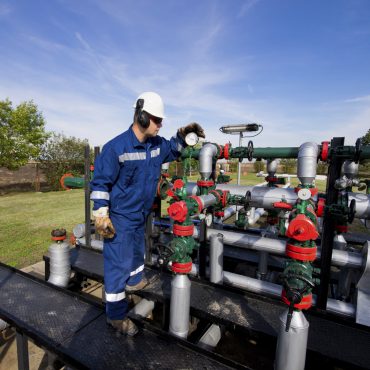
Offsite monitoring for air compressors is revolutionizing how industries manage their compressed air systems. This innovative approach leverages advanced technologies to provide real-time insights into compressor performance, enabling businesses to optimize operations and reduce downtime. In this comprehensive guide, we will explore the mechanisms behind offsite monitoring, the benefits of predictive maintenance systems, and the technologies that power effective diagnostics. Many organizations face challenges in maintaining operational efficiency and minimizing equipment failures. Offsite monitoring offers a proactive solution, allowing for timely interventions and improved reliability. We will delve into the core components of remote monitoring, the advantages of predictive maintenance, and practical strategies for implementation. What Is Offsite Monitoring for Air Compressors and How Does It Work? Offsite monitoring for air compressors refers to the use of technology to remotely track and analyze the performance of compressors. This system operates through a network of sensors and data analytics tools that provide real-time information about compressor health and efficiency. By continuously monitoring key performance indicators, businesses can identify potential issues before they escalate into costly failures. The integration of IoT technologies plays a crucial role in this process, enabling seamless data collection and analysis. Defining Remote Compressor Monitoring and Its Core Components Remote compressor monitoring involves several core components that work together to ensure optimal performance. These include: IoT Sensors: Devices that collect data on various parameters such as pressure, temperature, and vibration. Data Analytics Platforms: Software that processes and analyzes the data collected by sensors to provide actionable insights. User Interfaces: Dashboards that display real-time data and alerts, allowing operators to monitor compressor performance easily. These components collaborate to create a comprehensive monitoring system that enhances operational efficiency and reduces the risk of unexpected failures. How IoT Sensors Enable Real-Time Compressor Performance Tracking IoT sensors are pivotal in enabling real-time performance tracking of air compressors. These sensors gather critical data on compressor operations, such as energy consumption and operational hours. The data is transmitted to a centralized platform where it is analyzed to detect anomalies and trends. This real-time visibility allows operators to make informed decisions, ensuring that compressors operate within optimal parameters. The ability to track performance continuously leads to improved maintenance scheduling and reduced downtime. What Are the Benefits of Predictive Maintenance Systems in Compressor Monitoring? Predictive maintenance systems offer numerous benefits in the context of compressor monitoring. By utilizing advanced analytics and machine learning, these systems can forecast potential failures and optimize maintenance schedules. This proactive approach significantly enhances operational efficiency and reduces costs associated with unplanned downtime. Reducing Downtime and Extending Equipment Lifespan Through Predictive Analytics Predictive analytics plays a crucial role in reducing downtime and extending the lifespan of compressors. By analyzing historical performance data, predictive maintenance systems can identify patterns that indicate potential failures. This allows maintenance teams to address issues before they lead to equipment breakdowns. For instance, a study showed that companies implementing predictive maintenance strategies experienced a 20-25% reduction in unplanned downtime, leading to significant cost savings. Optimizing Energy Efficiency and Maintenance Scheduling Another significant advantage of predictive maintenance systems is their ability to optimize energy efficiency and maintenance scheduling. By continuously monitoring compressor performance, these systems can identify inefficiencies and recommend adjustments. For example, if a compressor is operating outside its optimal range, the system can alert operators to make necessary changes. This not only improves energy efficiency but also extends the life of the equipment, resulting in lower operational costs. Which Technologies Power Effective Air Compressor Diagnostics and Monitoring? Several technologies underpin effective air compressor diagnostics and monitoring. These technologies work together to provide comprehensive insights into compressor performance and health. Role of IoT Sensors and Data Metrics in Condition-Based Maintenance IoT sensors are integral to condition-based maintenance strategies. They provide real-time data on compressor conditions, allowing for timely interventions. Key metrics collected by these sensors include: Vibration Levels: Indicate potential mechanical issues. Temperature Readings: Help identify overheating problems. Pressure Fluctuations: Signal potential leaks or blockages. By analyzing these metrics, maintenance teams can make informed decisions about when to perform maintenance, ensuring that compressors operate efficiently. Integration of AI-Driven Analytics for Fault Detection and Alerts AI-driven analytics enhance the capabilities of monitoring systems by providing advanced fault detection and alert mechanisms. These systems utilize machine learning algorithms to analyze data patterns and predict potential failures. For instance, if a compressor’s vibration levels exceed a certain threshold, the system can automatically generate an alert for maintenance personnel. This proactive approach minimizes the risk of unexpected breakdowns and enhances overall operational reliability. How Do Industrial Equipment Monitoring Solutions Improve Operational Reliability? Industrial equipment monitoring solutions significantly improve operational reliability by providing continuous oversight of equipment performance. These solutions enable businesses to maintain optimal operating conditions and respond swiftly to any issues that arise. Remote Monitoring Systems and Their Impact on Industrial Equipment Management Remote monitoring systems offer a comprehensive view of industrial equipment performance. By integrating these systems, companies can track multiple compressors and other equipment from a centralized location. This centralized oversight allows for better resource allocation and more efficient management of maintenance activities. As a result, organizations can achieve higher levels of operational reliability and efficiency. Case Studies Demonstrating ROI and Performance Improvements Numerous case studies illustrate the return on investment (ROI) and performance improvements achieved through industrial equipment monitoring solutions. For example, a manufacturing facility that implemented a remote monitoring system reported a 25% increase in equipment uptime and a 10-15% reduction in maintenance costs within the first year. These improvements underscore the value of investing in advanced monitoring technologies. What Are Common Challenges and Troubleshooting Strategies in Offsite Compressor Monitoring? While offsite monitoring offers significant benefits, it also presents challenges that organizations must address. Understanding these challenges and implementing effective troubleshooting strategies is essential for maximizing the value of monitoring systems. Identifying and Responding to Compressor Faults Remotely One of the primary challenges in offsite monitoring is accurately identifying compressor faults remotely. To address this, organizations can implement robust diagnostic protocols that leverage data from IoT
Emergency Air Compressor Repair Services in Ontario: Rapid Solutions for Industrial Downtime
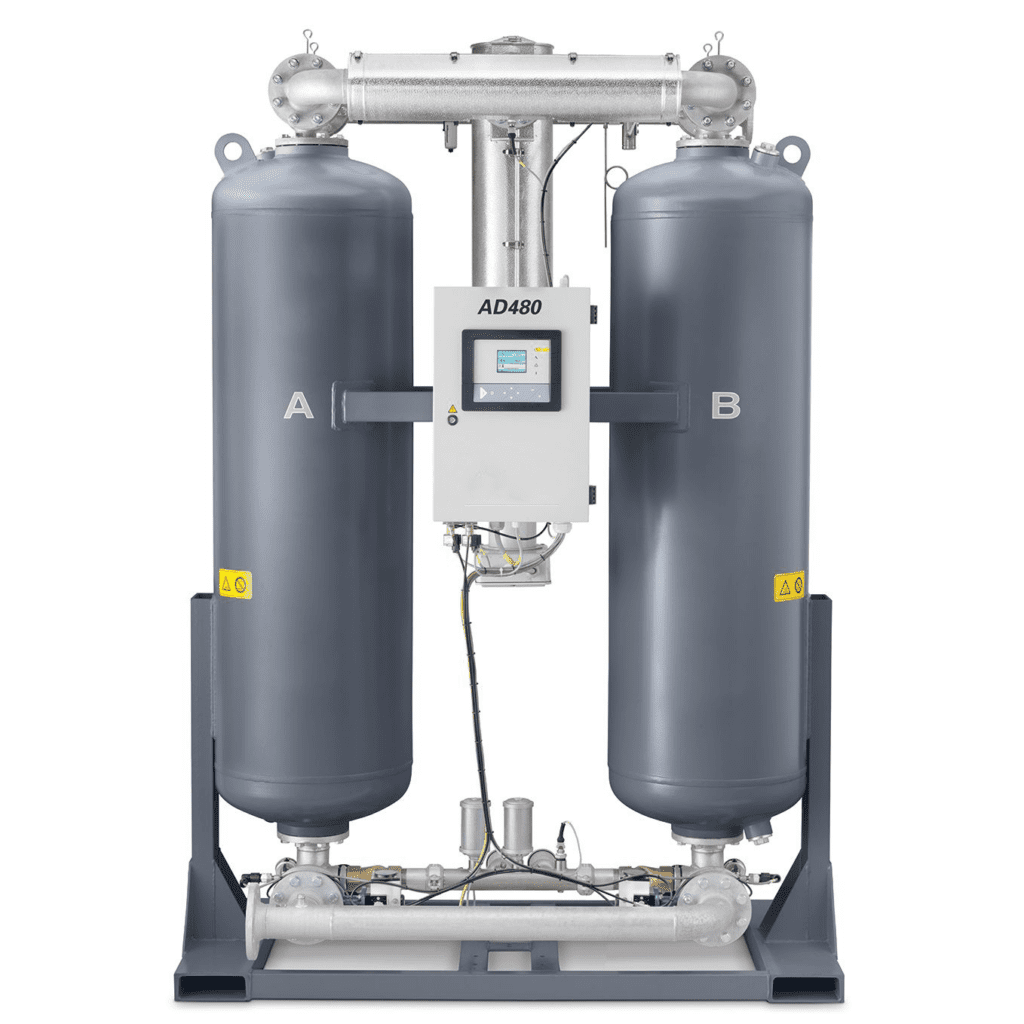
In the fast-paced industrial landscape of Ontario, air compressors play a crucial role in maintaining operational efficiency. However, unexpected breakdowns can lead to significant downtime, impacting productivity and profitability. This article delves into the essential features of emergency air compressor repair services, highlighting how rapid response and expert technicians can minimize industrial downtime. Readers will learn about the types of compressors covered, the repair process, common causes of breakdowns, and the importance of preventative maintenance. Additionally, we will explore how clients can access these vital services and the critical components that may require immediate attention during repairs. What Are the Key Features of Emergency Air Compressor Repair Services in Ontario? Emergency air compressor repair services are designed to provide swift and effective solutions to compressor failures, ensuring minimal disruption to industrial operations. Key features include rapid response times, expert technicians, and comprehensive service coverage. These services are essential for industries that rely heavily on compressed air systems, as they help maintain productivity and prevent costly downtime. How Does 24/7 Emergency Response Minimize Industrial Downtime? A 24/7 emergency response system is vital for minimizing industrial downtime. Immediate availability allows technicians to quickly diagnose and address issues, significantly reducing the time equipment is out of service. Quick diagnosis leads to faster repairs, ensuring that operations can resume promptly. This proactive approach not only saves time but also mitigates the financial impact of unexpected breakdowns. What Types of Air Compressors Are Covered by Emergency Repair Services? Emergency repair services typically cover a variety of air compressors, including rotary screw compressors, reciprocating compressors, and portable air compressors. Each type has unique operational characteristics and potential failure points, making it essential for technicians to be well-versed in the specific requirements of each compressor type. This expertise ensures that repairs are conducted efficiently and effectively, restoring functionality as quickly as possible. The integral role of air compressors in industrial operations, highlighted by their various types and applications, underscores the necessity of effective maintenance and emergency repair services. A Comprehensive Review of Air Compressors: Typology, Maintenance, and Applications ABSTRACT: An air compressor is a device that converts mechanical energy into pneumatic energy. Numerous distinct types of compressors exist, each possessing unique operating principles and conditions. Their collective purpose is to extract atmospheric air and produce pressurized air for various applications. This paper offers a concise overview of air compressors and their applications, alongside insights into the overhaul, condition monitoring, and maintenance programs for two-stage reciprocating air compressors. Furthermore, it briefly examines recent advancements in compressed-air vehicles, the development of compressed-air engines and power sources, and the impact of temperature on moisture separation within air compressors. Air separation holds particular significance in industrial development. The air compressor, in turn, not only generates the requisite air but also the necessary pressure. High-pressure air is essential for refrigeration and cooling equipment. A review on study of an air compressor, 2021 How Is the Emergency Air Compressor Repair Process Conducted? The emergency air compressor repair process involves several critical steps to ensure thorough and effective repairs. Initially, technicians conduct an assessment to identify the root cause of the failure. This is followed by the implementation of necessary repair procedures and final testing to confirm that the compressor is functioning correctly. What Diagnostic Procedures Do Technicians Use for Compressor Failures? Technicians employ various diagnostic procedures to identify compressor failures, including visual inspections, pressure tests, and electrical diagnostics. These methods help pinpoint issues such as leaks, pressure drops, or electrical malfunctions, allowing for targeted repairs that address the underlying problems. Which Mechanical and Electrical Repairs Are Common in Emergencies? Common mechanical and electrical repairs during emergencies include belt replacements, motor repairs, and fixes to electrical components. These repairs are crucial for restoring the compressor’s functionality and ensuring that it operates efficiently. By addressing these issues promptly, technicians can help prevent further damage and extend the lifespan of the equipment. What Are the Common Causes of Air Compressor Breakdowns in Ontario? Understanding the common causes of air compressor breakdowns is essential for effective maintenance and prevention strategies. Frequent causes include lack of maintenance, environmental factors, and operational misuse. Identifying these issues can help organizations implement better practices to reduce the likelihood of future failures. How Do Environmental and Operational Factors Affect Compressor Reliability? Environmental and operational factors significantly impact compressor reliability. For instance, temperature extremes can affect the performance of compressor components, while high humidity levels may lead to moisture-related issues. Additionally, operational load can strain compressors, leading to premature wear and tear. Recognizing these factors allows for better planning and maintenance strategies. What Troubleshooting Steps Identify Frequent Compressor Faults? To identify frequent compressor faults, technicians typically follow a series of troubleshooting steps, including checking for leaks, inspecting filters, and monitoring pressure levels. These steps help ensure that any potential issues are detected early, allowing for timely interventions that can prevent more severe problems down the line. How Does Preventative Maintenance Complement Emergency Repair Services? Preventative maintenance plays a crucial role in complementing emergency repair services by reducing the risk of unexpected failures. Regular maintenance schedules can help identify potential issues before they escalate, ensuring that compressors operate efficiently and reliably. Treating industrial compressed air systems with the same strategic foresight as a power plant is crucial for maximizing productivity and minimizing maintenance costs. Air Compressor Systems: Costs, Operations, and Maintenance Compressed air, similar to electricity, natural gas, water, specialized gases, and telecommunication services, functions as an essential utility within industrial settings. Like these other utilities, it incurs significant costs. Recognizing this financial impact becomes critical when annual expenditures reach the levels identified in this study. We must conceptualize an industrial compressed air system as akin to a power plant, encompassing capital machinery, a distribution network, a fuel source and supply, an operational plan and strategy, and an operating and maintenance budget. By framing this vital utility in such a perspective, we can begin to address considerations of systems engineering, planning, performance evaluation, cost control, and preventive maintenance with the same rigor applied
Top Benefits of Choosing Local Air Compressor Suppliers Ontario for Industrial and Automotive Needs
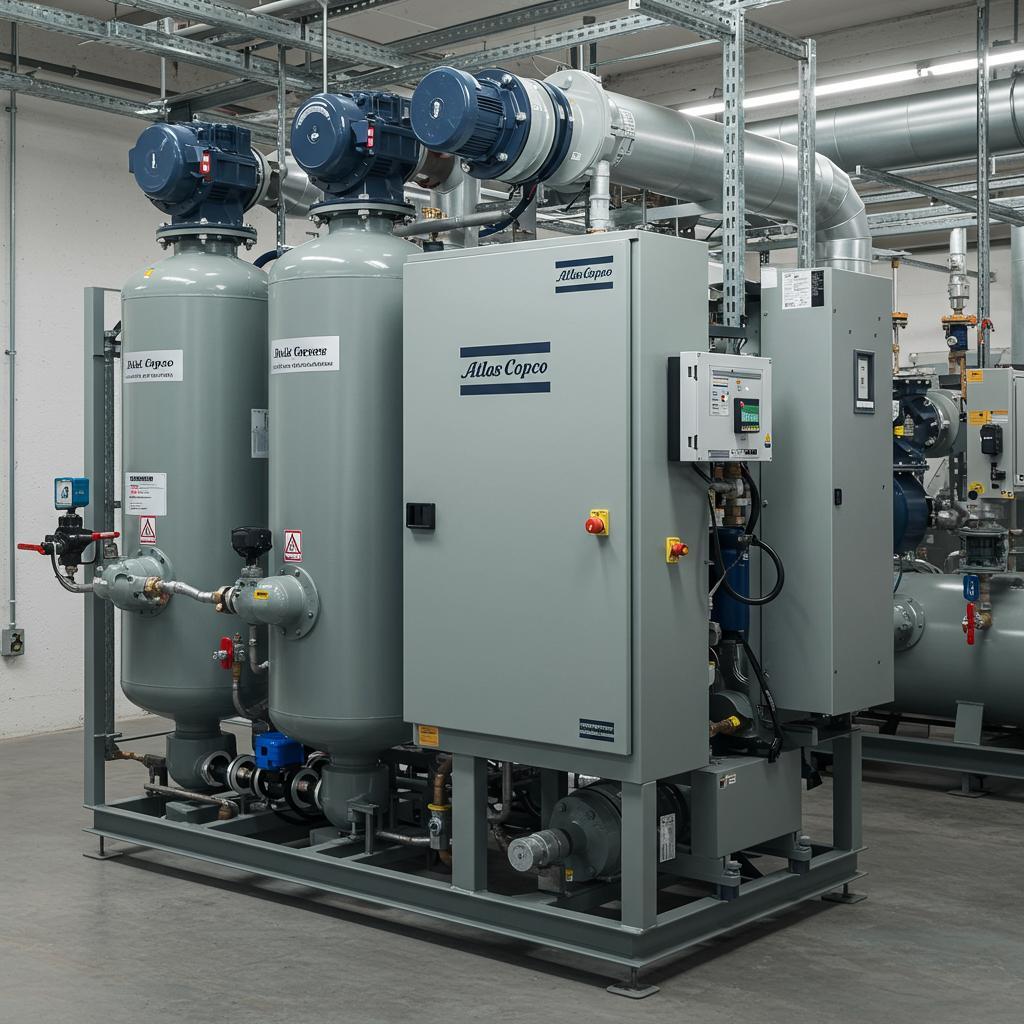
Local Air Compressor Suppliers For industrial and automotive businesses across Ontario, partnering with a local expert like CED Compressed Air ensures immediate access to service in Ajax, Barrie, and GTA. Local suppliers offer unique advantages, including reduced shipping costs, faster delivery times, and access to genuine parts. This article explores the top benefits of selecting local air compressor suppliers, focusing on cost savings, quality assurance, and enhanced maintenance services. Many businesses face challenges related to long delivery times and compatibility issues with parts sourced from distant suppliers. By opting for local suppliers, companies can mitigate these issues and ensure a more reliable supply chain. We will delve into the financial advantages of local sourcing, the importance of genuine parts, and real-world success stories that highlight the value of local partnerships. What Cost and Time Savings Do Local Air Compressor Parts Suppliers Offer? Local air compressor parts suppliers provide significant cost and time savings that can enhance operational efficiency. By sourcing parts locally, businesses can reduce shipping costs and minimize delivery times, which is crucial for maintaining productivity. Local suppliers often have inventory readily available, allowing for quicker access to necessary components. This immediacy not only saves money but also ensures that operations can continue without unnecessary delays. How Does Local Availability Reduce Delivery Times and Shipping Costs? Local availability is about more than shipping—it’s about 24/7 emergency support. With technicians stationed across the GTA and Southwestern Ontario, CED can provide on-site emergency repairs and preventative maintenance that a distant supplier simply cannot match. When businesses source from nearby suppliers, they benefit from shorter transit distances, which translates to faster delivery. This is particularly important in industries where downtime can lead to substantial financial losses. Additionally, local suppliers often offer lower shipping rates compared to distant suppliers, further enhancing cost savings. What Are the Financial Advantages of Choosing Nearby Compressed Air Equipment Dealers? Choosing nearby compressed air equipment dealers can lead to significant financial advantages. Local suppliers typically offer competitive pricing due to lower transportation costs and the ability to respond quickly to market demands. Furthermore, establishing long-term relationships with local suppliers can lead to better pricing agreements and discounts, ultimately resulting in long-term savings for businesses. Why Is Access to Genuine Air Compressor Parts and Accessories Crucial? Access to genuine air compressor parts and accessories is essential for maintaining the reliability and efficiency of compressed air systems. Local suppliers often provide authentic parts that are specifically designed for compatibility with existing equipment. This ensures that businesses can avoid the risks associated with using counterfeit or incompatible components, which can lead to system failures and costly repairs. This strategy is mirrored globally, where local manufacturing often underpins a stable supply chain for critical components. How Do Local Suppliers Ensure Quality and Compatibility of Industrial Air Compressor Parts? Local suppliers prioritize quality and compatibility by sourcing parts from reputable manufacturers. They often have established relationships with these manufacturers, allowing them to ensure that the parts meet industry standards. Additionally, local suppliers can provide expert advice on the best components for specific applications, further enhancing the reliability of the systems they support. What Essential Accessories Should You Source from Local Distributors? When sourcing air compressor parts, it is crucial to consider essential accessories that can enhance system performance. CED provides local access to advanced accessories, including high-efficiency air filters, smart monitoring systems (SmartLink), and condensate management solutions that improve air quality and reduce your total cost of ownership. By sourcing these accessories locally, businesses can ensure they receive high-quality products that are compatible with their systems. How Do Local Air Compressor Service Providers Enhance Maintenance and System Reliability? Local air compressor service providers play a critical role in enhancing maintenance and system reliability. Their proximity allows for quicker response times, which is essential for addressing any issues that may arise. This responsiveness can significantly reduce downtime, ensuring that operations continue smoothly. In What Ways Does Proximity Improve Response Times for Compressed Air System Maintenance? Proximity to service providers improves response times for maintenance significantly. Local technicians can arrive on-site quickly to diagnose and resolve issues, minimizing the impact on production. This immediate access to support is invaluable for businesses that rely heavily on their compressed air systems for daily operations. How Does Expert Local Support Impact Operational Efficiency in Manufacturing and Automotive Sectors? Expert local support can greatly impact operational efficiency in manufacturing and automotive sectors. Local service providers understand the specific needs of businesses in these industries and can offer tailored solutions. Their expertise ensures that systems are maintained effectively, reducing the likelihood of unexpected failures and enhancing overall productivity. What Are Real-World Success Stories Demonstrating the Benefits of Local Air Compressor Suppliers? Real-world success stories illustrate the tangible benefits of choosing local air compressor suppliers. Many businesses have reported significant cost savings and improved uptime by partnering with local distributors. These case studies highlight how local suppliers can provide not only parts but also valuable support and expertise. Which Case Studies Highlight Cost Savings and Improved Uptime with Local Suppliers? Several case studies demonstrate the cost savings and improved uptime achieved through local supplier partnerships. For instance, a manufacturing company that switched to a local supplier reported a reduction in parts costs and a decrease in downtime due to faster service and delivery. These metrics underscore the financial and operational advantages of local sourcing. How Do Customer Testimonials Reflect the Value of Choosing Local Compressed Air Equipment Dealers? Customer testimonials often reflect the value of choosing local compressed air equipment dealers. Many clients express satisfaction with the personalized service and quick response times they receive from local suppliers. This feedback reinforces the idea that local partnerships can lead to better business outcomes and enhanced operational efficiency.
Why Professional Energy Audits Matter for Your Business: Understanding the Energy Audit Process and Benefits
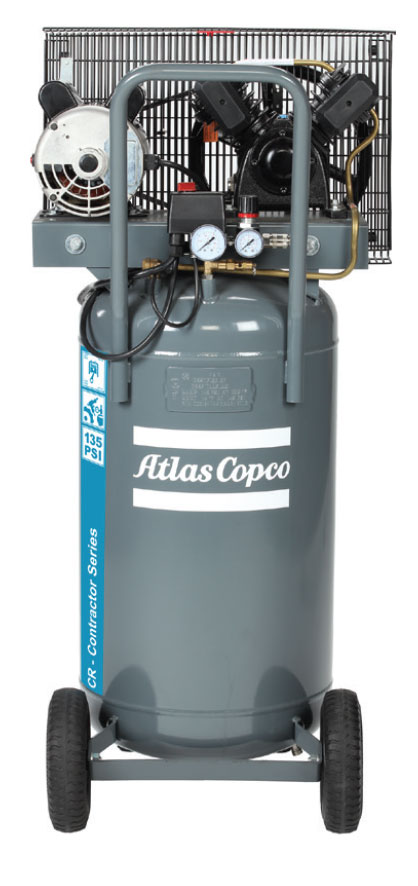
Air Compressor Energy Audit In today’s competitive industrial landscape, optimizing energy consumption is crucial for maintaining operational efficiency and reducing costs. Professional energy audits serve as a vital tool for businesses looking to identify inefficiencies and implement effective energy-saving strategies. This article delves into the energy audit process, its benefits for industrial energy efficiency, and how businesses can select the right audit provider. By understanding the importance of energy audits, companies can make informed decisions that lead to significant cost savings and enhanced sustainability. What Is the Energy Audit Process for Compressed Air Systems? The energy audit process for compressed air systems involves a systematic evaluation of the system’s performance to identify inefficiencies and areas for improvement. This process is essential for businesses that rely on compressed air for their operations, as it helps to uncover hidden costs associated with energy waste. By conducting a thorough audit, companies can gain insights into their energy consumption metrics and develop strategies to optimize their systems. Further insights into the methodologies and potential savings from such audits highlight their critical role in industrial settings. How Do Energy Audits Identify Inefficiencies and Leaks? Energy audits identify inefficiencies and leaks by employing various diagnostic tools and techniques. Common methods include pressure testing, flow measurement, and ultrasonic leak detection, which identifies leaks in real-time without interrupting your production schedule. For instance, leaks in compressed air systems can lead to significant energy losses, often accounting for up to 30% of total energy consumption. By addressing these leaks, businesses can reduce their energy costs and improve overall system performance. What Are the Key Steps in Conducting a Professional Air Energy Audit? CED follows these specific international standards to ensure accuracy. How Can Energy Audits Improve Industrial Energy Efficiency? Energy audits play a crucial role in enhancing industrial energy efficiency by providing a clear understanding of how energy is used within a facility. By identifying inefficiencies, businesses can implement targeted solutions that lead to substantial energy savings and improved operational performance. What Common Inefficiencies Affect Compressed Air Systems in Manufacturing? Common inefficiencies affecting compressed air systems in manufacturing include leaks, improper pressure settings, and inadequate system design. For example, leaks can significantly increase energy costs, while operating at higher than necessary pressure can lead to wasted energy. Addressing these issues through an energy audit can result in improved efficiency and reduced operational costs. How Do Energy Audits Lead to Compressed Air System Optimization? Energy audits lead to compressed air system optimization by providing actionable insights that help businesses make informed decisions. Techniques such as adjusting pressure settings, repairing leaks, and upgrading equipment can enhance system performance. For instance, implementing variable speed drives on compressors can optimize energy use based on demand, resulting in significant cost savings. What Are the Business Benefits of Professional Energy Audits? Professional energy audits offer numerous benefits for businesses, including cost savings, improved operational efficiency, and enhanced sustainability. By identifying and addressing inefficiencies, companies can reduce their energy consumption and lower their utility bills. How Do Energy Audits Contribute to Energy Cost Reduction Strategies? Energy audits contribute to energy cost reduction strategies by pinpointing specific areas where savings can be achieved. For example, businesses may discover that upgrading to more efficient equipment or implementing better maintenance practices can lead to substantial reductions in energy costs. These audits provide a roadmap for companies to follow in their pursuit of energy efficiency. What Return on Investment Can Businesses Expect from Energy Audits? Businesses can expect a favorable return on investment (ROI) from energy audits, often seeing ROI of under 18 months. The exact ROI will depend on the specific measures implemented and the scale of energy savings achieved. Many companies report savings of 20-50% on their energy bills after conducting a professional energy audit. How to Choose the Right Energy Audit Provider for Your Business? Selecting the right energy audit provider is crucial for ensuring a successful audit process. Businesses should consider several factors when evaluating potential providers, including experience, expertise, and the range of services offered. CED is a leading partner with Atlas Copco in Canada. What Criteria Should You Use to Select a Professional Energy Audit Service? When choosing a professional energy audit service, consider the following criteria: How Does CED Compressed Air Deliver Tailored Audit Solutions? CED Compressed Air specializes in providing tailored audit solutions designed to optimize energy consumption in industrial and manufacturing settings. Their team of experts conducts comprehensive energy audits that identify inefficiencies and recommend actionable strategies for improvement. By focusing on compressed air systems, CED ensures that businesses receive targeted insights that lead to significant energy savings and enhanced operational efficiency. Different optimization strategies deliver distinct benefits through specific mechanisms. Strategy Mechanism Benefit Leak Repair Identifying and fixing leaks Reduces energy waste and costs Pressure Optimization Adjusting system pressure to match demand Improves efficiency and reduces wear Equipment Upgrades Replacing outdated equipment with energy-efficient models Lowers energy consumption and costs This comparison demonstrates how targeted strategies can significantly enhance the efficiency of compressed air systems. To further explore how air energy audits can benefit your business, consider partnering with a reputable provider. In conclusion, professional energy audits are essential for businesses seeking to improve their energy efficiency and reduce operational costs. By understanding the audit process and its benefits, companies can make informed decisions that lead to sustainable practices and long-term savings.
Effective Tips to Reduce Compressed Air Leaks for Energy Savings and System Optimization
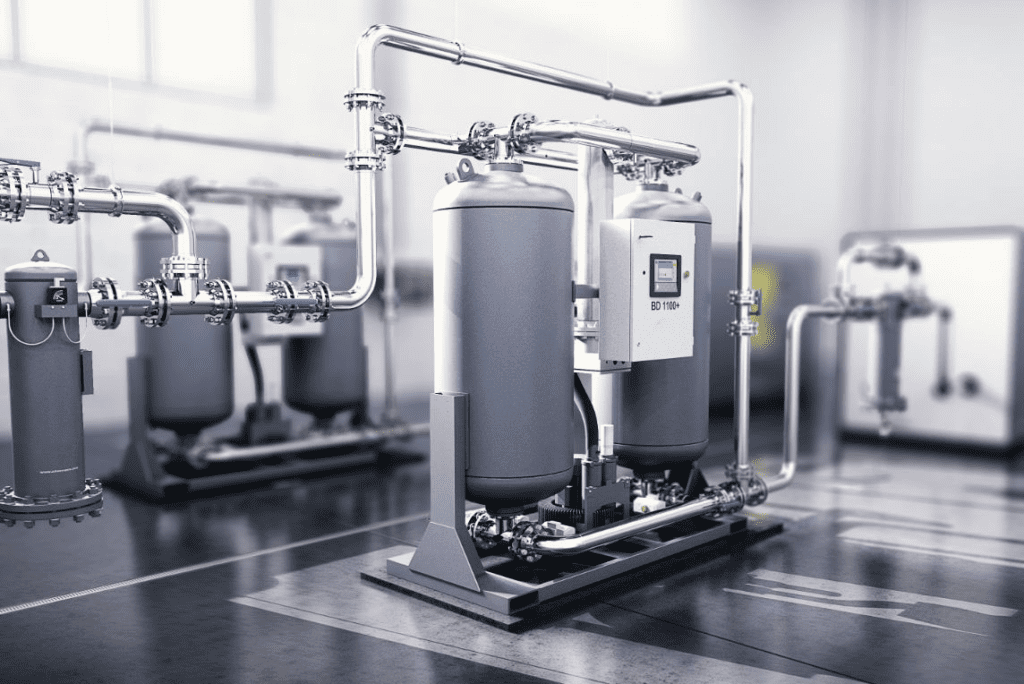
Compressed air leaks are a significant concern for industrial systems, leading to wasted energy and increased operational costs. Understanding how to identify and mitigate these leaks is crucial for optimizing air systems and enhancing energy efficiency. This article provides actionable tips and strategies to effectively reduce compressed air leaks, ultimately contributing to energy savings and improved system reliability. Readers will learn about the nature of compressed air leaks, their impact on energy efficiency, common causes, detection methods, and best practices for repair. By addressing these issues, businesses can achieve substantial cost benefits and enhance their operational efficiency. What Are Compressed Air Leaks and How Do They Impact Energy Efficiency? Compressed air leaks refer to unintended openings in an air system that allow air to escape, leading to inefficiencies. These leaks can significantly impact energy consumption, as systems must work harder to maintain pressure levels, resulting in increased energy costs. Addressing compressed air leaks is essential for maintaining optimal energy efficiency and reducing operational expenses. By understanding the implications of these leaks, businesses can prioritize leak detection and repair strategies. CED Compressed Air specializes in providing solutions to optimize air systems for industrial clients, helping them reduce energy waste caused by leaks. How Do Compressed Air Leaks Cause Energy Waste in Industrial Systems? Compressed air leaks lead to energy waste through several mechanisms. When air escapes from a system, the compressor must compensate by running longer and consuming more energy to maintain the desired pressure. This not only increases energy costs but also places additional strain on the compressor, potentially leading to premature wear and failure. Statistics indicate that even small leaks can result in significant energy losses, with some estimates suggesting that leaks can account for up to 30% of a system’s total energy consumption. Understanding these mechanisms is crucial for implementing effective leak management strategies. Further emphasizing the financial benefits of addressing leaks, research highlights key strategies for cost reduction. What Are Common Types and Causes of Air Leaks? Air leaks can occur in various forms and are often caused by several factors. Common types of leaks include: Fittings and Connections: Loose or damaged fittings can create gaps where air escapes. Hoses and Tubing: Wear and tear on hoses can lead to cracks and leaks. Valves: Faulty or improperly sealed valves can allow air to escape. Identifying these common causes is the first step in preventing leaks and ensuring the efficiency of compressed air systems. Which Compressed Air Leak Detection Methods Are Most Effective? Effective leak detection is vital for minimizing energy waste in compressed air systems. Several methods can be employed to identify leaks, including: Ultrasonic Leak Detection: This method uses ultrasonic sound waves to detect leaks that are otherwise inaudible. Visual Inspection: Regular visual checks can help identify obvious signs of leaks, such as hissing sounds or air movement. Pressure Testing: Monitoring pressure drops can indicate the presence of leaks within the system. Each method has its advantages and can be used in conjunction to ensure comprehensive leak detection. How Does Ultrasonic Leak Detection Technology Work? Ultrasonic leak detection technology operates by capturing high-frequency sound waves emitted by escaping air. These sound waves are beyond the range of human hearing, making this method particularly effective for identifying leaks in noisy industrial environments. The technology typically involves the use of a handheld device that can pinpoint the location of leaks, allowing for targeted repairs. This method is not only efficient but also minimizes downtime, as it can be performed while the system is operational. The effectiveness of ultrasonic technology in industrial settings, even amidst background noise, has been further validated by recent studies. What Are Visual and Pressure-Based Leak Detection Techniques? Visual and pressure-based leak detection techniques are essential for identifying leaks in compressed air systems. Visual inspections involve checking for signs of wear, damage, or loose connections that may indicate leaks. Pressure-based techniques, on the other hand, involve monitoring the system’s pressure levels to identify drops that suggest air loss. Both methods are valuable tools in a comprehensive leak detection strategy, enabling businesses to maintain optimal system performance. How Can Air Leak Repair Techniques Improve System Reliability and Reduce Costs? Implementing effective air leak repair techniques can significantly enhance system reliability and reduce operational costs. By promptly addressing leaks, businesses can prevent energy waste and extend the lifespan of their equipment. Repair techniques may include resealing connections, replacing damaged hoses, and upgrading fittings to more durable materials. These proactive measures not only improve system efficiency but also contribute to long-term cost savings. Indeed, studies underscore the significant economic advantages and system optimization achieved through diligent leak repair. CED Compressed Air offers specialized leak detection and repair solutions tailored to meet the needs of industrial clients, ensuring optimal system performance. What Are Best Practices for Repairing Compressed Air Leaks? To effectively repair compressed air leaks, businesses should follow these best practices: Conduct Regular Inspections: Schedule routine checks to identify potential leaks before they become significant issues. Use Quality Materials: Invest in high-quality fittings, hoses, and seals to minimize the risk of leaks. Train Staff: Ensure that employees are trained in leak detection and repair techniques to promote a culture of maintenance. By adhering to these best practices, organizations can maintain efficient air systems and reduce the likelihood of future leaks. Which Repair Technologies and Materials Are Recommended? When it comes to repairing compressed air leaks, several technologies and materials are recommended for effective results. These include: Sealants: High-quality sealants can be used to fill gaps and prevent air loss. Replacement Parts: Using OEM (original equipment manufacturer) parts ensures compatibility and reliability. Advanced Repair Kits: Specialized kits designed for air systems can provide comprehensive solutions for various leak types. Investing in the right technologies and materials is crucial for achieving lasting repairs and maintaining system efficiency. What Are the Energy Savings and Cost Benefits of Reducing Compressed Air Leaks? Reducing compressed air leaks can lead to substantial energy savings and cost benefits for businesses. By addressing leaks, companies can
Professional Air Compressor Installation Services in Ontario: Expert Solutions for Industrial and Commercial Needs
Professional air compressor installation is essential for businesses in Ontario, particularly in the manufacturing, automotive, and industrial sectors. This service ensures that compressed air systems operate efficiently, providing reliable power for various applications. By hiring experts for installation, companies can benefit from increased efficiency, reduced downtime, and expert guidance tailored to their specific needs. This article will explore the key benefits of professional air compressor installation, the importance of customized setups, and the steps involved in seamless installation. Additionally, we will discuss the costs associated with these services and the unique offerings from CED Compressed Air. What Are the Key Benefits of Professional Industrial Air Compressor Installation? Professional industrial air compressor installation offers several advantages that can significantly impact operational efficiency. First, expert installation ensures that the system is set up correctly, which maximizes performance and minimizes the risk of future issues. Second, professional installers can provide tailored solutions that meet the specific needs of a business, enhancing overall productivity. Lastly, hiring professionals reduces downtime during installation, allowing businesses to resume operations quickly. CED Compressed Air specializes in professional air compressor installation services in Ontario, targeting businesses in manufacturing, automotive, and industrial sectors. The company provides comprehensive compressed air solutions, including system integration and professional compressor setup. Indeed, the foundational principles of industrial compressor installation emphasize reliability, efficiency, and safety as paramount for any large enterprise. How Does Customized Compressor Setup Maximize Operational Efficiency? Customized compressor setups are designed to meet the unique requirements of each business, which can lead to significant improvements in operational efficiency. By analyzing the specific needs of a facility, professionals can recommend the right type and size of compressor, ensuring optimal performance. Tailored solutions can also include adjustments to piping systems and integration with existing equipment, which further enhances efficiency. Moreover, customized setups can lead to cost savings by reducing energy consumption and minimizing maintenance needs. This proactive approach not grueling improves performance but also extends the lifespan of the equipment. Why Is Minimizing Downtime Critical in Manufacturing and Automotive Sectors? Minimizing downtime is crucial in manufacturing and automotive sectors, where even short interruptions can lead to significant financial losses. Downtime can impact productivity, delay project timelines, and increase operational costs. Therefore, having a reliable air compressor system is essential for maintaining continuous operations. To minimize downtime, businesses should invest in professional installation services that ensure systems are set up correctly from the start. Additionally, regular maintenance and prompt repairs can help prevent unexpected breakdowns, further reducing the risk of downtime. How Does Compressed Air System Integration Enhance Industrial Performance in Ontario? Compressed air system integration involves connecting various components of the air compressor system to work together seamlessly. This integration enhances industrial performance by improving system efficiency and reliability. When all components are properly integrated, businesses can achieve better control over their compressed air systems, leading to optimized performance. Furthermore, integrated systems can provide real-time monitoring and diagnostics, allowing for quick identification of potential issues before they escalate. This proactive approach not only enhances performance but also contributes to energy savings and reduced operational costs. What Are the Steps Involved in Seamless Compressed Air Piping Installation? Seamless compressed air piping installation involves several critical steps to ensure optimal performance and reliability. The process typically includes: Planning: Assessing the facility’s layout and determining the most efficient piping routes. Installation: Installing the piping systems according to industry standards and best practices. Testing: Conducting pressure tests to ensure there are no leaks and that the system operates as intended. By following these steps, businesses can ensure that their compressed air systems are set up for success, minimizing the risk of future issues. How Do System Integration Services Improve Energy Efficiency and Reliability? System integration services play a vital role in enhancing energy efficiency and reliability in compressed air systems. By optimizing the interaction between various components, these services can lead to significant energy savings. For instance, integrated systems can adjust compressor output based on real-time demand, reducing unnecessary energy consumption. Additionally, improved reliability is achieved through better monitoring and control of the system. This proactive approach allows for timely maintenance and repairs, ensuring that the system operates smoothly and efficiently. What Are the Essential Air Compressor Maintenance Services for Long-Term Reliability? Regular maintenance is crucial for ensuring the long-term reliability of air compressor systems. Essential maintenance services include: Routine Inspections: Regular checks to identify potential issues before they escalate. Filter Replacements: Changing air filters to maintain optimal airflow and prevent contamination. Lubrication: Ensuring that all moving parts are properly lubricated to reduce wear and tear. By investing in these maintenance services, businesses can extend the lifespan of their equipment and maintain consistent performance. How to Detect and Repair Compressed Air Leaks Effectively? Detecting and repairing compressed air leaks is essential for maintaining system efficiency. Leaks can lead to significant energy losses and increased operational costs. Effective methods for leak detection include: Ultrasonic Leak Detectors: These devices can identify leaks by detecting the high-frequency sound produced by escaping air. Soapy Water Method: Applying soapy water to suspected areas can reveal leaks through the formation of bubbles. Once leaks are identified, prompt repairs should be made to restore system efficiency and prevent further losses. Beyond leak detection, a systematic approach to energy savings in compressed air systems involves various measures, including leak prevention and optimization of end uses. What Predictive Maintenance Technologies Are Used in Ontario’s Industrial Sectors? Predictive maintenance technologies are increasingly being adopted in Ontario’s industrial sectors to enhance equipment reliability and performance. These technologies utilize data analytics and real-time monitoring to predict when maintenance is needed, allowing businesses to address issues before they lead to failures. Common predictive maintenance technologies include: Vibration Analysis: Monitoring equipment vibrations to identify potential mechanical issues. Thermal Imaging: Detecting overheating components that may indicate impending failures. By implementing these technologies, businesses can reduce downtime and maintenance costs while improving overall operational efficiency. The broader context of compressed air systems highlights how advanced maintenance strategies, including predictive maintenance, are crucial for